There’s a moment every crocheter and knitter experiences: you’re browsing yarn online or walking through a local shop, and suddenly—there it is. A skein so soft it feels like cloud spun into silk, with a sheen that catches the light like liquid gold. You pick it up, read the price tag, and your heart races. Is it worth it?
The truth is, luxury yarns aren’t just about extravagance—they’re about intention, emotion, and legacy. They transform a simple stitch into a sensory experience and a handmade gift into a lifelong treasure. But with prices that can rival a week’s groceries, it’s wise to know when to splurge—and how to make every precious yard count.
In this guide, you’ll discover what truly defines a “luxury” fiber, how to match premium yarns to the right projects, and practical tips to stretch your investment without wasting a single strand. Whether you’re saving for a special make or simply curious about alpaca, cashmere, or silk blends, this article will help you splurge with confidence, not guilt.
Because sometimes, the most meaningful crafts begin with one exquisite skein.
1. What Makes a Yarn “Luxury”?
Not all expensive yarns are luxurious—and not all luxury yarns are wildly expensive. True luxury lies in fiber quality, sourcing ethics, and sensory experience.
Common premium fibers include:
- Cashmere: Incredibly soft, lightweight, and warm—harvested from the undercoat of cashmere goats.
- Silk: Lustrous, strong, and temperature-regulating, often blended to add drape and sheen.
- Alpaca: Softer than wool, hypoallergenic, and warmer than sheep’s wool—ideal for sensitive skin.
- Merino (superwash or non-superwash): When ultra-fine and ethically sourced, it’s buttery soft and resilient.
- Mohair: Fluffy, haloed, and lightweight, often used in blends for ethereal texture.
- Qiviut: The ultra-rare underwool of the Arctic muskox—eight times warmer than wool and softer than cashmere (and very pricey!).
What sets luxury apart?
- Long staple length = less pilling
- Minimal processing = retains natural softness and luster
- Ethical farming = animals treated humanely, land respected
- Small-batch dyeing = rich, nuanced colorways
💡 Fun fact: A single cashmere goat produces only 4–6 ounces of usable fiber per year. That scarcity is part of what drives cost—and why using it wisely matters.
2. When to Splurge: Choosing the Right Project for Premium Yarn
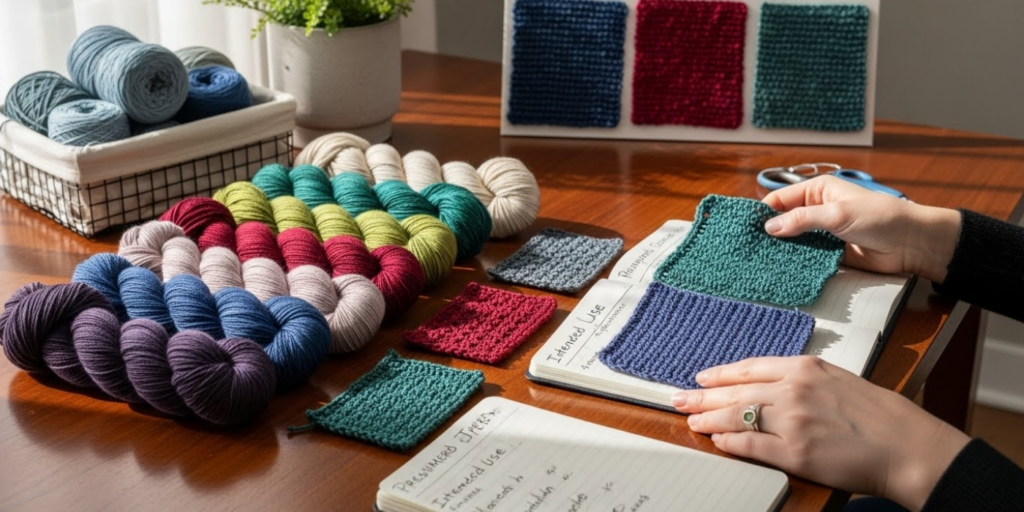
Not every project deserves luxury yarn—and that’s okay! Using cashmere for dishcloths or silk for a rugged dog sweater is like serving champagne in a plastic cup. Match the fiber to the function.
✅ Perfect for luxury yarns:
- Wearables close to the skin: Cowls, shawls, lightweight cardigans, baby garments.
- Heirloom gifts: Christening blankets, wedding shawls, milestone birthday presents.
- Small-but-meaningful pieces: Mittens, ear warmers, lace doilies, or a special amigurumi.
- Mindful self-gifting: That shawl you’ll wrap yourself in during quiet mornings.
❌ Avoid luxury fibers for:
- High-abrasion items (socks, unless reinforced)
- Toys for toddlers who chew
- Home decor exposed to sun or pets (silk fades; alpaca pills easily)
- Projects requiring frequent washing (unless the fiber is superwash)
Real-life example: Maya saved for months to buy one skein of hand-dyed silk-mohair. Instead of forcing it into a large sweater, she crocheted a delicate lace-trimmed camisole—a piece she wears under blazers and treasures deeply. One skein, maximum impact.
Rule of thumb: If the project will be seen, felt, and cherished, it’s worth the splurge.
3. How to Maximize Your Investment: Tips for Working with Luxury Yarns
Premium yarns require a lighter touch—both in handling and in stitching. Here’s how to honor their potential:
1. Swatch with care
Luxury fibers often relax when blocked. Always swatch, wash, and block it the same way you’ll treat the finished piece. Silk stretches; alpaca blooms; cashmere softens dramatically. Your gauge may shift!
2. Choose the right hook
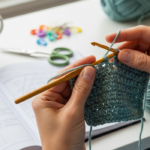
Use smooth hooks (like bamboo, tulip, or ergonomic metal) to prevent snagging delicate fibers. Avoid rough or nicked hooks—they can pull or split fine strands.
3. Keep stitches simple
Let the fiber shine! Complex cables or dense textures can hide the drape and sheen of silk or the halo of mohair. Opt for:
- Open lace
- Simple mesh
- Single or half-double crochet
- Gentle ribbing
🌟 Pro tip: For silk or bamboo, looser tension enhances drape. Don’t crochet too tightly—allow the yarn to flow.
4. Minimize ends
Join new skeins with spit splicing (for animal fibers) or the magic knot to avoid weaving in ends that could pull or show. Fewer ends = cleaner finish.
4. Ethical Considerations: Splurging Responsibly
Luxury shouldn’t come at the cost of animal welfare or environmental harm. Ask questions before you buy:
- Is the fiber certified (e.g., Responsible Wool Standard, Certified Humane)?
- Is the brand transparent about sourcing? (Look for farm names or region details.)
- Is the dye process low-impact or natural?
Red flags: Vague labels like “imported cashmere” or “exotic blend” with no origin. When in doubt, choose small indie dyers—they often share full supply chain info.
Good news: Many ethical luxury brands exist!
- The Fibre Co. (UK) – traceable, sustainable fibers
- Malabrigo (Uruguay) – family-run, humane merino
- Juniper Moon Farm – American-raised, eco-conscious yarns
Splurging on ethical luxury means your beautiful project carries a story of care—from pasture to stitch.
5. Smart Splurging: How to Afford Premium Yarns
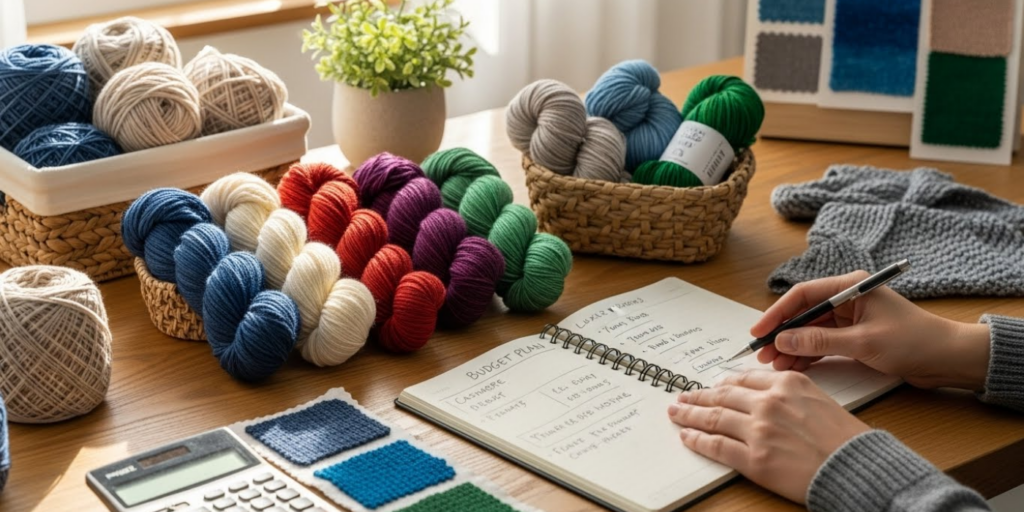
You don’t need a big budget—just intentional planning.
1. Set a “yarn splurge” fund
Put $5–$10 aside monthly. In 6 months, you’ll have enough for a special skein.
2. Buy mini-skeins or leftovers
Many dyers sell “oddments” or 50g minis—perfect for small projects. Ravelry groups and Instagram destash sales are goldmines.
3. Blend luxury with budget yarns
Hold a strand of mohair with a simple wool to add halo without full cost. Or use luxury yarn only for borders, cuffs, or yoke details.
4. Wait for meaningful moments
Birthday? Finished a big project? Reward yourself with one skein of cashmere. Tie the splurge to celebration—it feels earned, not indulgent.
💬 As one maker wisely said: “I’d rather have one perfect shawl than ten meh sweaters.”
6. Caring for Luxury Yarns: Make Them Last
A $40 skein should last decades—if cared for properly.
Washing:
- Hand-wash only in cool water with wool wash (like Eucalan or Soak).
- Never wring or twist—gently press out water and lay flat to dry on a towel.
- Keep away from direct sun (fades silk and mohair).
Storage:
- Store folded in cotton bags (never plastic—it traps moisture).
- Add cedar blocks or lavender sachets to deter moths (never mothballs—they damage fibers).
Pilling:
- Use a fabric shaver or sweater stone gently on alpaca or cashmere blends.
- Accept that some pilling is natural—it doesn’t mean poor quality.
With proper care, your luxury piece can become a family heirloom, passed down with stories of its making.
7. The Emotional Value: Why Luxury Yarns Matter Beyond Price
At its heart, luxury yarn isn’t about showing off—it’s about deepening your craft.
Working with premium fibers:
- Elevates your skills (you pay more attention to tension and finish)
- Slows you down (you savor each stitch)
- Connects you to global traditions (from Mongolian cashmere herders to Peruvian alpaca farms)
- Creates emotional resonance—the recipient feels the love in every soft wrap
Story: Lena crocheted a silk-cashmere shawl for her mother’s 70th birthday. Her mom, who rarely wears handmade gifts, wears it every Sunday to church. “It feels like a hug,” she says. That’s the power of thoughtful splurging.
Luxury yarns remind us that craft is not just output—it’s experience.
Conclusion: Splurge with Purpose, Create with Love
Splurging on luxury yarn isn’t frivolous—it’s an act of creative respect. Respect for the animal that grew the fiber, the dyer who colored it, the maker who transforms it, and the wearer who will cherish it.
So the next time you’re drawn to that exquisite skein, don’t just ask, “Can I afford it?” Ask:
“What meaningful thing can I create with this?”
“Who will feel its beauty against their skin?”
“Will this yarn be honored in its final form?”
If the answer is yes—go ahead. Buy the skein. Cradle it like treasure. And stitch with the care it deserves.
Because in a world of fast fashion and disposable goods, a handmade piece in luxury fiber is a quiet rebellion—a testament to slowness, quality, and love.
👉 Now we’d love to hear from you: What’s the most special yarn you’ve ever used? Or what luxury fiber is on your dream list? Share your story in the comments below! And if this guide helped you, pin it or share it with a fellow fiber lover—because everyone deserves to make magic with yarn that sings.
Remember: The finest crafts aren’t measured in dollars—but in the joy they bring, stitch by stitch.

Maria Santos is a dedicated crochet and knitting enthusiast who finds joy in turning simple strands of yarn into meaningful, handmade art. With a natural eye for detail and a deep love for fiber crafts, she brings warmth, creativity, and years of personal experience to every project. Maria is inspired by the stories woven into each stitch and loves sharing that passion with others.