You’ve just spotted the perfect crochet blanket design—soft, textured, and utterly unique. It’s the kind of piece that makes people stop and ask, “Where did you get that?” You love it so much, you want to turn it into a product line, a YouTube tutorial series, or even a small business. But here’s the catch: you didn’t make it. Someone else did.
Enter the crochet designer.
Whether you’re a small business owner, a content creator, or just someone with a big idea, working with a crochet designer isn’t just about buying a pattern—it’s about building a partnership. And when done right, that partnership can transform your project from “nice idea” to “must-have item.”
In this guide, we’ll walk through the real, practical, human-side of collaborating with crochet designers. No fluff. No jargon. Just clear, friendly advice you can use today—whether you’re a total newbie or you’ve dabbled in creative collaborations before.
By the end, you’ll know how to communicate respectfully, set fair expectations, protect both your ideas and theirs, and turn a simple pattern into something truly special—without stepping on toes or burning bridges.
Let’s dive in.
Why Collaboration with Crochet Designers Matters (And Why It’s Often Done Wrong)
Crochet designers aren’t just pattern writers—they’re artists. Many spend hundreds of hours perfecting a single design: testing stitch patterns, swatching yarns, writing clear instructions, photographing the final piece, and even creating video tutorials. And yet, too often, they’re treated like free resources.
I once spoke with Mara, a designer from Texas who spent six months developing a intricate granny square shawl. She sold it on Etsy for $8. Then, a local boutique bought 50 copies… and sold them for $65 each—without ever contacting her. No credit. No compensation. Just a copy of her pattern, printed and repackaged.
That’s not collaboration. That’s exploitation.
True collaboration means recognizing the value behind the hook and yarn. It means understanding that a crochet designer’s work is intellectual property, not public domain. And it means treating them as equals—not vendors, not freelancers, but creative partners.
The good news? More people are starting to get it.
A 2024 survey by Ravelry found that 78% of independent crochet designers reported increased income from collaborations over the past year. Why? Because buyers and brands are learning: when you respect the creator, you get better results, loyal partnerships, and products that truly stand out.
So if you’re thinking of working with a designer, ask yourself: Am I here to use them—or to build something beautiful together?
Your answer will shape everything that follows.
How to Find the Right Designer for Your Project (It’s Not Just About Style)
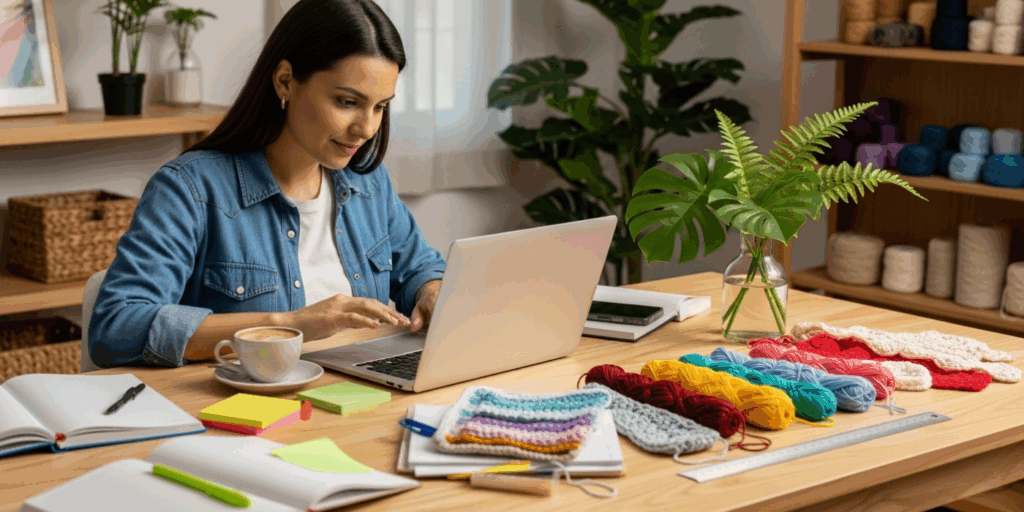
You wouldn’t hire a chef just because their Instagram looks pretty. You’d look at their menu, their consistency, their reviews, and whether they understand your restaurant’s vibe.
The same goes for crochet designers.
Start by asking: What kind of project are you creating?
- Are you launching a line of baby blankets with organic cotton?
- Are you making a YouTube series on modern amigurumi?
- Are you designing a holiday ornament collection?
Then, look for designers whose style, values, and process match your vision.
Here’s how:
- Browse Ravelry or Etsy—Filter by “designer” and look at their portfolio. Do their patterns have clear instructions? Are their photos professional? Do they offer support?
- Check their social media—Are they responsive? Do they engage with their community? A designer who replies to comments and shares behind-the-scenes work is usually more collaborative.
- Read reviews—Look beyond “loved it!” Find comments like, “She responded within hours when I had a question,” or “Her patterns are beginner-friendly and accurate.”
- Reach out with specifics—Don’t message “Hi, can you design something for me?” Instead, say: “I’m creating a line of eco-friendly scarves using recycled yarn. I love your ‘Forest Whisper’ cowl—could we talk about adapting that style for my brand?”
Pro tip: Many designers have collaboration pages on their websites. Look for “Work With Me” or “Collaborations” links. That’s your golden ticket.
And remember—chemistry matters. You’ll be spending time together, exchanging ideas, maybe even sharing stress over yarn shortages. Choose someone whose energy feels right.
Setting Clear Boundaries (Without Sounding Cold)
Here’s the truth: most creative conflicts happen not because people are selfish—but because expectations weren’t clear from the start.
Let’s say you approach a designer to create a custom pattern for your online store. You say, “Can you make this for $50?” They say yes. You publish it. Then they find out you’re selling 2,000 copies—and they never got paid again.
Ouch.
That’s why boundaries aren’t about being rigid. They’re about being kind—to both parties.
Here’s how to set them gently but firmly:
✅ Define the scope
“We’d like a 12-inch coaster pattern using your signature shell stitch, in 3 colorways. No modifications to the stitch structure.”
✅ Clarify usage rights
“We’ll purchase an exclusive license for this pattern for 12 months, during which you won’t sell it elsewhere. After that, you can release it on your own store.”
✅ Agree on payment
“We’ll pay $300 upfront, plus $5 per unit sold after the first 100 units.”
✅ Credit is non-negotiable
Always include: “Pattern designed by [Designer’s Name]” on packaging, websites, and social posts.
Use a simple Google Doc or free template (like those from the Crochet Guild of America) to outline this. It doesn’t need to be a legal contract—just a clear, written agreement.
And here’s the magic: when you do this, designers feel respected. They’re more likely to go the extra mile. They’ll send you extra photos. They’ll help with captions. They’ll even refer you to other designers.
Boundaries aren’t walls. They’re fences that keep the garden beautiful.
Communication: The Secret Ingredient Most People Skip
You wouldn’t bake a cake without tasting the batter, right?
Yet so many people skip the “taste test” phase when working with designers.
They send a vague request. Wait days for a reply. Get a pattern. Then panic when the stitches don’t match their vision.
Here’s what works better:
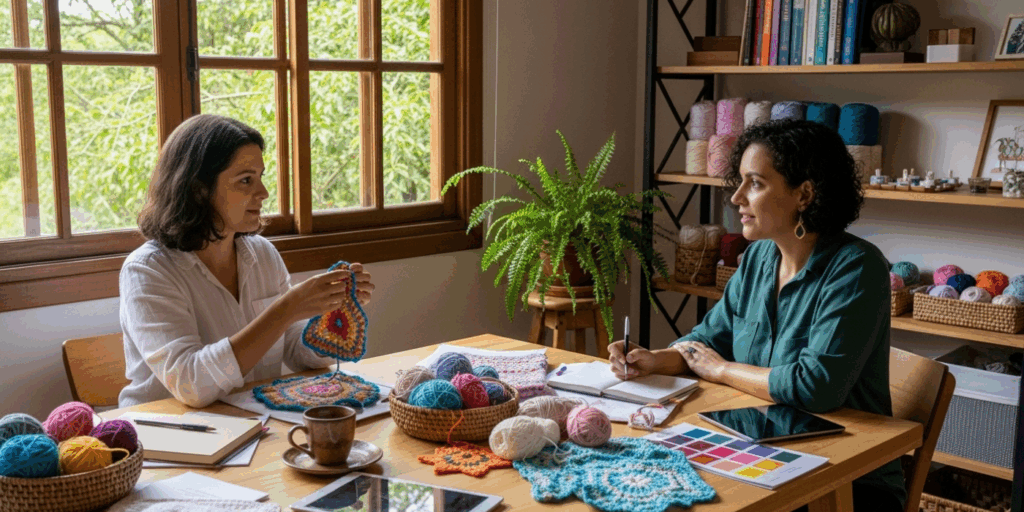
Schedule a quick 15-minute Zoom call.
Yes, really. Even if you’re in different time zones. A quick voice or video chat builds trust faster than 10 emails.
Ask:
- “What’s your process like?”
- “How do you handle revisions?”
- “What’s your favorite part of designing?”
You’ll learn things no contract can capture—like how she hates working with variegated yarn, or how he needs 48 hours to think before replying.
Also: Use shared tools.
- Notion or Google Docs for feedback loops
- Trello to track progress
- WhatsApp or Signal for quick check-ins (if they’re comfortable)
And here’s a game-changer: Ask for drafts early.
Instead of waiting for the final pattern, ask: “Can I see a sketch or swatch before you write the full instructions?”
This saves weeks of back-and-forth. It also gives you time to tweak colors, sizes, or themes before they’ve invested hours into writing.
One designer, Lila from Oregon, told me: “I’ve had clients who waited until the last minute to say, ‘Actually, I wanted it bigger.’ That’s not fair to me—or to you. If we’d talked at the start, we could’ve saved both our time.”
Communication isn’t about being perfect. It’s about being present.
Fair Compensation: Beyond the “Free Exposure” Trap
Let’s get real.
“Exposure” doesn’t pay rent.
I’ve seen designers offer free patterns to “big influencers” in exchange for a post. Then the influencer gets 50K followers… and the designer? Still working two jobs to afford yarn.
Fair compensation isn’t always about money. But it always includes respect.
Here’s a realistic breakdown of what fair looks like:
| One-time pattern purchase | $100–$500+ (based on complexity) |
| Exclusive license (3–6 months) | $300–$1,000 + royalties |
| Custom design (full project) | $500–$2,000 + credit + marketing support |
| Partnership (co-branded line) | Revenue share (30–50% to designer) |
And if you can’t pay cash?
Offer value in other ways:
- Professional photos (hire a photographer for their portfolio)
- Video tutorials (you film them demonstrating the pattern)
- Marketing (feature them in your newsletter, tag them in every post)
- Free yarn (if you source it, send them high-quality skeins)
- Public recognition (name them in every caption, podcast, or blog)
But never say: “You’ll get exposure!”
Say: “We’re offering $X + visibility to our 15K audience.”
Designers are entrepreneurs. They’re running businesses. Treat them like one.
And if you’re on a tight budget? Start small. Buy one pattern. Leave a glowing review. Share it. Then, when you grow, come back and offer them a real partnership.
Growth is a journey. Fairness is the compass.
Building Long-Term Relationships (Not One-Time Transactions)
The most successful brands aren’t the ones with the flashiest logos.
They’re the ones with the loyal creators behind them.
Think of it like this: Would you rather work with a designer who’s done 100 one-off projects… or one who’s been with you for three years, knows your brand inside out, and shows up with ideas you never thought of?
The latter.
When you treat designers as long-term partners, magic happens.
- They’ll suggest yarns you didn’t know existed.
- They’ll adapt designs to fit your seasonal themes.
- They’ll become your unofficial brand ambassadors.
Take Sarah, founder of “Hearth & Hook,” a small home goods brand. She started by buying three patterns from a designer named Elena. Then she invited her to co-design a holiday collection. Then a line of pillows. Now, Elena is part of Sarah’s core team—she even designs the packaging tags.
Sarah says: “Elena doesn’t just make patterns. She helps me think like a maker. That’s worth more than any spreadsheet.”
To build this kind of relationship:
- Say thank you often—a handwritten note goes further than you think.
- Celebrate their wins—share their new pattern launch.
- Ask for their input—“What’s one thing you wish more brands understood about crochet?”
- Check in quarterly—even just a quick “How’s it going?” message.
You’re not just buying a product. You’re investing in a person.
And people remember how you made them feel.
Final Thought: Collaboration Is a Gift, Not a Transaction
At the end of the day, crochet is more than stitches and yarn.
It’s patience. It’s creativity. It’s quiet hours spent turning thread into comfort.
When you collaborate with a crochet designer, you’re not just getting a pattern—you’re joining a legacy.
You’re saying: I see your work. I honor your time. I believe in your art.
And that kind of respect? It ripples.
It encourages other designers to speak up. To demand fair pay. To create without fear.
It helps small businesses thrive—not by copying, but by connecting.
So next time you fall in love with a crochet design, don’t just buy it.
Reach out.
Say hello.
Ask how you can work together.
Because the most beautiful things aren’t made in isolation.
They’re made when people choose to create—side by side.
Your Turn:
Have you ever collaborated with a crochet designer? What worked—or didn’t?
👉 Drop your story in the comments below. Let’s build a community where creators are celebrated, not exploited.
And if you found this helpful, share it with a friend who’s thinking about launching their own craft project. The right partnership might be just one message away.
Happy hooking—and even happier collaborating. 🧶💛
Maria Santos is a dedicated crochet and knitting enthusiast who finds joy in turning simple strands of yarn into meaningful, handmade art. With a natural eye for detail and a deep love for fiber crafts, she brings warmth, creativity, and years of personal experience to every project. Maria is inspired by the stories woven into each stitch and loves sharing that passion with others.