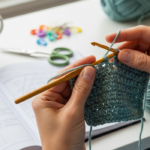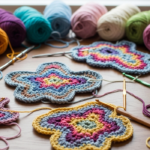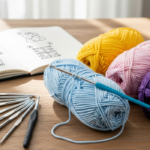
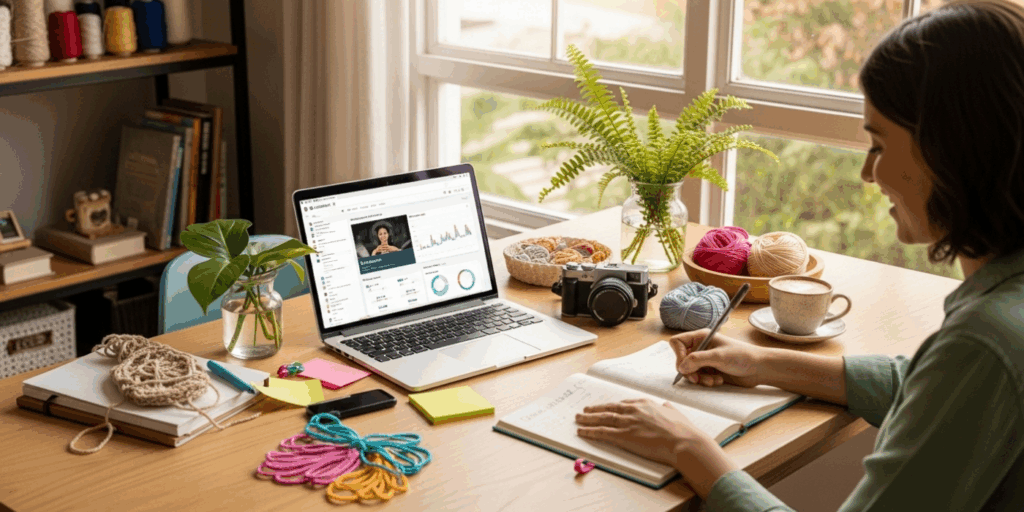
Imagine this: You’re curled up on your favorite chair, hook in hand, yarn dancing through your fingers as you create something beautiful—one stitch at a time. You’ve spent years perfecting your craft, sharing patterns, posting photos, and even filming your latest amigurumi creation. But here’s the question no one asks out loud… Can you actually turn this passion into real income?
The answer? Absolutely.
Thousands of crocheters around the world are already turning their love for yarn into thriving side hustles—and sometimes, full-time careers. Whether you run a cozy crochet blog, post soothing YouTube videos of your latest blanket progress, or both, there’s a hungry audience waiting to support you. And the best part? You don’t need millions of followers to start earning. You just need authenticity, consistency, and a few smart strategies.
In this guide, we’ll walk through exactly how to monetize your crochet blog or YouTube content—without selling out or turning your creative sanctuary into a sales pitch. We’ll explore realistic income streams, share real-life examples from successful crocheters, and give you simple, actionable steps you can start today—even if you’re just beginning.
By the end, you’ll know how to turn your hooks and yarn into a revenue stream that feels as natural as your next double crochet stitch.
1. Build a Loyal Community First—Before You Monetize
Here’s the truth most beginners miss: You can’t monetize an audience you don’t have.
Before you start pushing affiliate links or selling products, you need trust. And trust is built through consistency, personality, and value—not ads.
Think of your blog or YouTube channel like a cozy yarn shop. People don’t walk in because you have the cheapest yarn. They come because you remember their name, you recommend the perfect color for their sweater, and you genuinely care about their project. That’s the energy you need to replicate online.
Start by showing up regularly. Whether it’s a new pattern every Tuesday or a “Crochet with Me” video every Friday, consistency builds anticipation. Share your wins and your mess-ups. Post that time you frogged three rows because you miscounted. People relate to imperfection.
One creator, Sarah from The Crochet Loft, grew her YouTube channel to 85,000 subscribers by simply filming her daily crochet routine with her cat, Mochi, curled up beside her. No fancy lighting. No scripts. Just real, quiet, comforting content. Her audience didn’t follow her for perfection—they followed her for peace.
Action Step: Pick one content type (blog posts, YouTube videos, or Instagram Reels) and commit to posting it weekly for the next 3 months. Don’t worry about views yet. Focus on connection.
Engage with every comment. Reply to questions. Ask your audience what they’re working on next. Create a simple email list from day one—even if you only have 50 subscribers. That list will become your most valuable asset.
You’re not building a store. You’re building a community. And communities buy from people they know, like, and trust.
2. Turn Your Patterns Into Profit (Without Getting Overwhelmed)
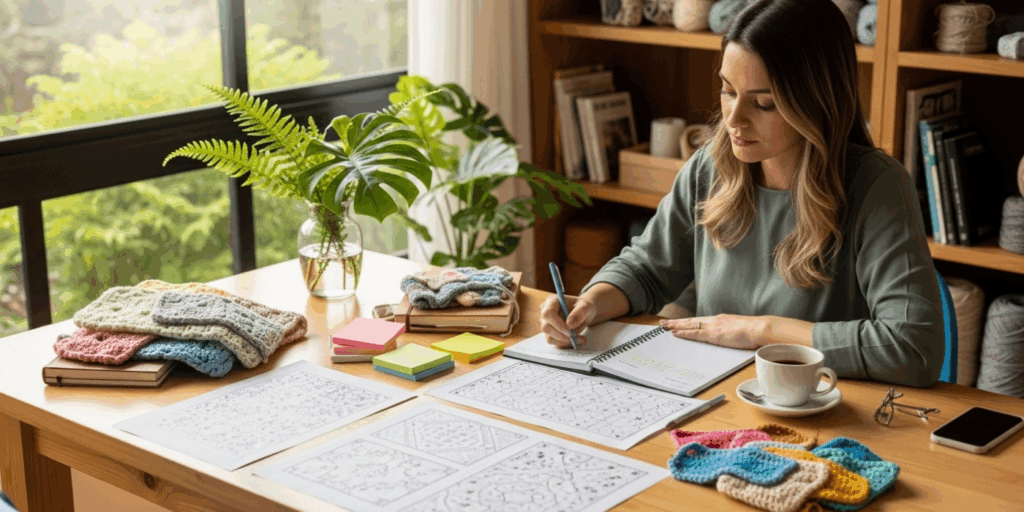
If you’ve ever designed a blanket, hat, or stuffed animal that people keep asking for, congratulations—you’ve already created a product.
Crochet patterns are digital products. Once you create them, you can sell them over and over again—with zero extra work.
Think about it: A single well-designed pattern can earn you $5–$15 per sale. Sell 100 copies? That’s $500–$1,500. And it keeps selling while you sleep.
Platforms like Etsy, Ravelry, and Gumroad make it easy to set up your own pattern shop. You don’t need a website (though having one helps). Start simple.
Here’s how Sarah, our earlier example, did it:
She noticed her viewers kept asking for a “cozy cloud blanket” she made in one video. So she wrote a clear, step-by-step pattern with photos, video links, and tips for beginners. She listed it on Etsy for $7. Within 3 months, she sold 427 copies. That’s nearly $3,000—just from one pattern.
Pro Tip: Bundle your patterns. Offer a “Winter Crochet Collection” with a beanie, scarf, and mittens for $15 instead of $5 each. People love value packs.
You can also offer free patterns as lead magnets. For example: “Download my FREE beginner amigurumi bunny pattern when you join my email list.” This builds your list and positions you as an expert.
Don’t overcomplicate it.
- Write clear instructions.
- Include photos of each step.
- Add a video tutorial link (even a 2-minute clip helps).
- Price it between $3–$12. (Beginners don’t want to pay $25 for their first project.)
Your patterns are your digital legacy. They outlive your videos. They keep earning. And they’re entirely yours.
3. Affiliate Marketing: Earn While You Recommend (Honestly)
Here’s a secret: You don’t need to sell your own stuff to make money. You can earn commissions by recommending products you already love.
Affiliate marketing is simple: You share a special link to a product (like yarn, hooks, or tools), and if someone buys through your link, you get paid.
Platforms like ShareASale, CJ Affiliate, and Amazon Associates partner with craft brands. Many yarn companies—including Lion Brand, Red Heart, and WeCrochet—have their own affiliate programs.
Let’s say you do a YouTube video: “My Top 5 Crochet Hooks for Arthritis-Friendly Hands.” You mention your favorite hook, link to it in the description, and if someone clicks and buys, you earn 5–10% of the sale.
One creator, Jen from Yarn & Co., earns $800–$1,200/month just from affiliate links in her blog posts. She doesn’t even push sales. She just writes honest reviews:
“I tried 7 different hooks. This one felt like a dream. The others hurt my fingers after 10 minutes. Here’s why…”
That’s it. Authenticity wins every time.
How to start:
- Sign up for 2–3 affiliate programs you actually use.
- Create 3–5 “best of” posts: “Best Yarn for Baby Blankets,” “Top 5 Crochet Hooks for Beginners,” etc.
- Place your links naturally within the text.
- Disclose that you earn a commission (it’s required by law—and builds trust).
Bonus: Use Pinterest to drive traffic to these posts. Crochet content performs incredibly well on Pinterest. A single pin can bring you hundreds of visitors for months.
You’re not selling. You’re guiding. And people will thank you for it.
4. Offer Digital Products Beyond Patterns (Yes, Really!)
Patterns are just the beginning. Once you’ve built trust, you can expand into other digital products that require no inventory, no shipping, and almost no overhead.
Here are a few ideas that work:
- Printable Crochet Planners – Weekly project trackers, yarn stash logs, or pattern organization templates.
- Video Tutorials – A 30-minute “Mastering Color Changes” course.
- PDF Guides – “How to Fix Common Crochet Mistakes” or “The Ultimate Guide to Reading Patterns.”
- Customizable Templates – “Design Your Own Amigurumi” worksheet with prompts and grids.
One crocheter, Lisa, created a “Crochet Business Starter Kit” for hobbyists wanting to sell patterns. It included templates for product listings, pricing calculators, and copyright tips. She sold it for $29. In her first year, she made over $12,000.
You don’t need to be an expert in design software. Canva makes it easy to create beautiful PDFs—even if you’ve never used it before.
Start small.
Create one simple product. Test it with your email list. Ask for feedback. Then improve and relaunch.
Digital products scale beautifully. One hour of work can generate income for years.
And here’s the magic: When you offer something beyond free patterns, you signal to your audience: “I’m serious about this. And you should be too.”
That mindset shift turns casual followers into paying customers.
5. Sponsorships & Brand Partnerships: When Companies Come to YOU
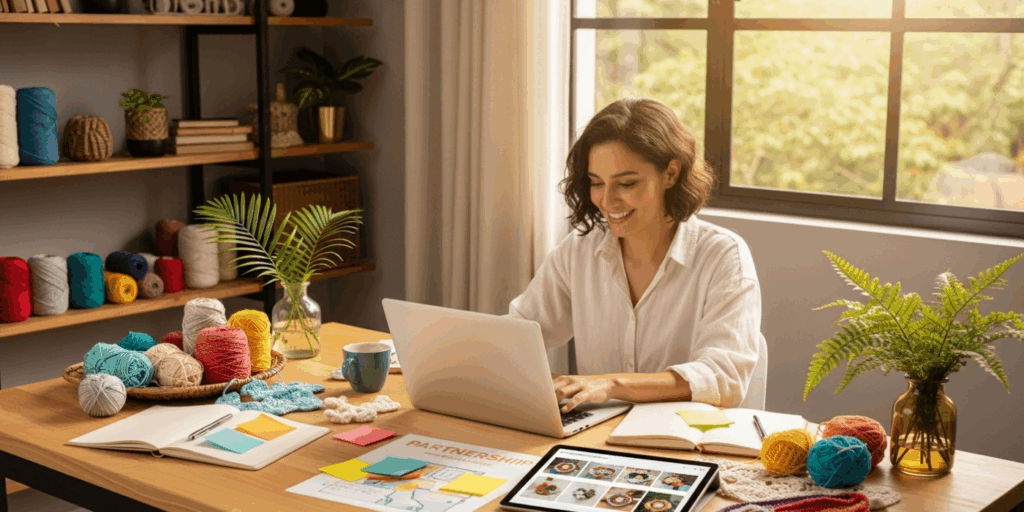
Once you’ve built consistent traffic (even 5,000 monthly blog visitors or 10,000 YouTube subscribers), brands will start reaching out.
But don’t wait for them. Reach out first.
Look for small, ethical yarn brands, crochet tool companies, or even local yarn shops. Send them a polite, friendly email.
Example subject line:
“Love your new cotton yarn line—would love to feature it in my next video!”
Include:
- Your audience size (even if it’s small)
- Your engagement rate (comments, saves, shares)
- A sample idea for collaboration (e.g., “I’ll make a scarf with your yarn and share my honest thoughts”)
One creator, Maya, started with a local yarn store in Oregon. She made a video titled “Why I’m Obsessed with This Local Yarn” and tagged the shop. They reposted it. Then they offered her free yarn for future projects. Then they paid her $300 to feature them in a blog post.
That was her first paid partnership.
Key rule: Only partner with brands you genuinely love. Your audience can tell when you’re faking it. And if they lose trust, you lose everything.
Sponsorships aren’t about big numbers. They’re about alignment. If your audience loves cozy, eco-friendly yarns, partner with a brand that shares that value.
Over time, these partnerships can become recurring income. Some creators earn $500–$2,000 per sponsored post or video.
And the best part? You get free products. You get exposure. And you get paid to do what you already love.
6. The Hidden Gem: Membership & Patreon
Let’s be honest: Not everyone wants to buy a $10 pattern. But many would happily pay $5/month for exclusive access.
That’s where Patreon or Ko-fi comes in.
Create a membership tier where subscribers get:
- Early access to patterns
- Weekly live Q&A sessions
- Behind-the-scenes videos of your design process
- Printable stitch guides
- A private Facebook group or Discord server
One crocheter, Elena, launched a Patreon at $4/month. She had 87 members in her first month. That’s $348/month—passive, recurring income.
She didn’t need thousands of followers. She just needed 87 people who loved her style enough to support her regularly.
Think of it like a monthly yarn club. People don’t just pay for content—they pay for belonging.
Start with one tier. Keep it simple. Say:
“Join my Yarn Circle for $5/month and get one exclusive pattern + a video tutorial every month.”
You’d be amazed how many people will say yes.
7. The Long Game: Let Your Passion Become Your Legacy
Here’s something I want you to remember: You’re not just making money. You’re preserving a craft.
Crochet is more than stitches. It’s mindfulness. It’s healing. It’s generations of women passing down patterns like heirlooms. You’re part of that story.
When you monetize your blog or YouTube channel, you’re not selling out—you’re investing in your ability to keep creating.
Every dollar you earn from a pattern, affiliate link, or sponsorship gives you more freedom to:
- Buy better yarn
- Take time off to rest
- Experiment with new techniques
- Help others learn without pressure
Your content doesn’t have to be perfect. It just has to be yours.
And the world needs more of that.
Final Thoughts: Start Small. Stay True. Keep Stitching.
Monetizing your crochet blog or YouTube channel isn’t about going viral. It’s about showing up, sharing your joy, and offering value—again and again.
You don’t need a million views.
You don’t need fancy equipment.
You don’t need to be the “best” crocheter.
You just need to be you.
Start with one pattern.
Add one affiliate link.
Launch one email list.
Create one simple digital product.
Watch what happens.
The money will follow the authenticity.
And if you’re reading this right now, wondering if it’s too late or too small or too quiet… let me tell you: It’s not.
There’s a person out there right now, feeling lonely, looking for a calming video, searching for a pattern to help them through a hard day. And you? You’re the one who can give them that.
So pick up your hook. Hit record. Write that post. Share your story.
Your next sale, your next subscriber, your next breakthrough—it’s waiting.
What’s the first monetization step you’ll take this week?
Drop it in the comments below—I’d love to cheer you on. 🧶💛
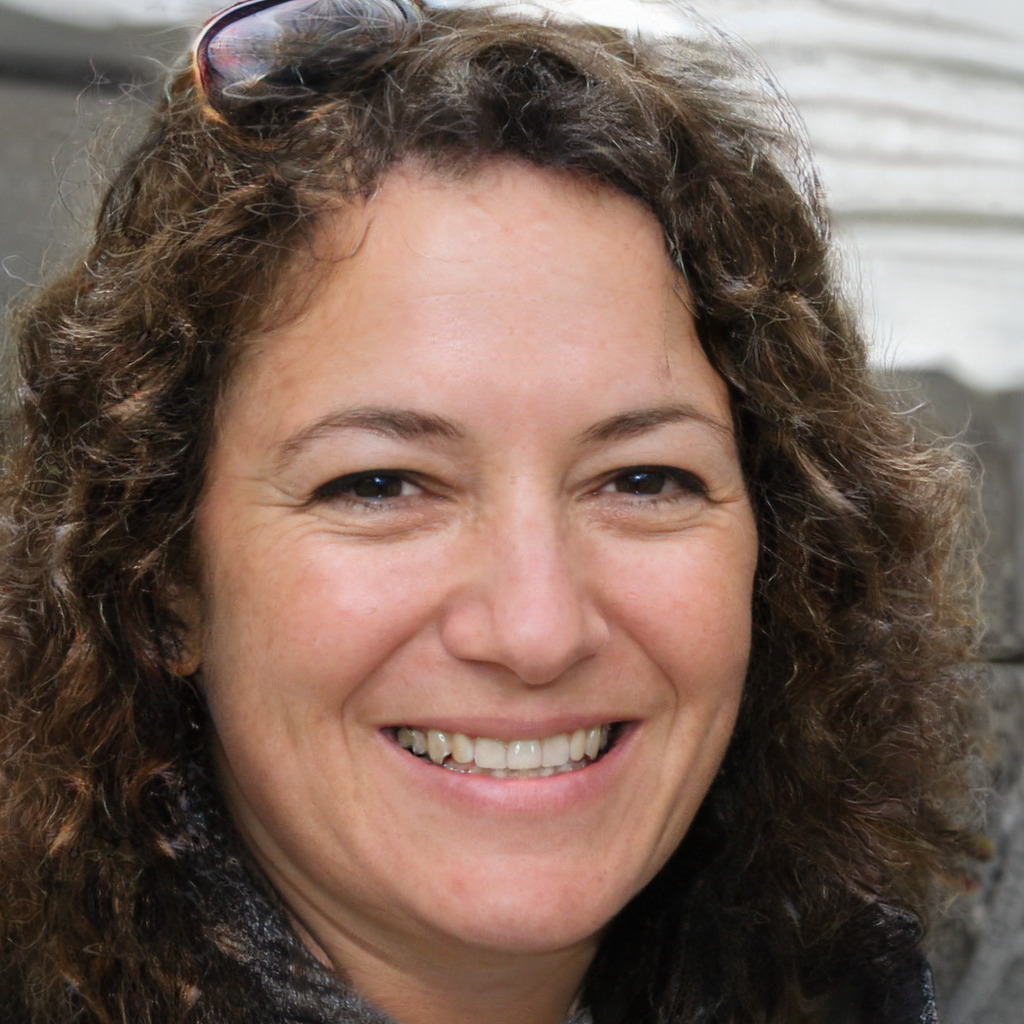
Maria Santos is a dedicated crochet and knitting enthusiast who finds joy in turning simple strands of yarn into meaningful, handmade art. With a natural eye for detail and a deep love for fiber crafts, she brings warmth, creativity, and years of personal experience to every project. Maria is inspired by the stories woven into each stitch and loves sharing that passion with others.