You’ve spent hours—maybe even weeks—creating that cozy blanket, delicate lace shawl, or adorable amigurumi bunny. Each stitch holds a piece of your time, your patience, your heart. But what happens when it gets dusty, spills happen, or it just needs a gentle refresh? If you’ve ever panicked at the thought of tossing your handmade crochet into the washer, you’re not alone. The truth? Crochet doesn’t have to be fragile. With the right care, your creations can stay beautiful for years—maybe even decades.
In this guide, we’ll walk through everything you need to know about washing, drying, storing, and reviving your crochet projects. Whether you’re a beginner who just finished your first scarf or a seasoned crocheter with a closet full of handmade treasures, this isn’t just about cleaning—it’s about honoring the love you put into each piece. We’ll cover the dos and don’ts of washing different yarn types, how to reshape and block your work, how to prevent moth damage, and even how to revive that old blanket that’s seen better days. No jargon. No confusion. Just clear, friendly advice that turns stress into confidence.
Let’s make sure your handmade creations last as long as the memories they hold.
Why Washing Crochet Feels So Scary (And Why It Doesn’t Have to Be)
Let’s be honest: the first time you held your finished crochet blanket and thought, “Should I wash this?”—you probably froze. What if the colors bleed? What if it shrinks? What if it turns into a weird, lumpy mess? I’ve been there. I once washed a hand-crocheted baby blanket on “delicate” and came back to find it had shrunk to the size of a dish towel. Cue the minor meltdown.
But here’s the good news: most crochet items can be safely washed—if you know how. The fear usually comes from not knowing your yarn. Different fibers react differently. Cotton? Great in the sink. Wool? Needs gentle handling. Acrylic? Pretty tough, but can pill if mishandled.
Think of your crochet like a pet. You wouldn’t throw your dog into a hot tub with chlorine and expect it to come out happy, right? Same logic applies. The key isn’t avoiding water—it’s understanding your material.
According to the Craft Yarn Council, over 70% of handmade items are washed improperly, leading to damage, color fading, or loss of shape. That’s a lot of love lost. But the fix? Simple. Start by checking the yarn label. Most brands now include washing instructions right on the skein. If you don’t have it anymore, don’t panic. We’ll cover how to identify yarn types in the next section.
The bottom line? Washing your crochet isn’t a risk—it’s an act of care. Clean items last longer, look better, and feel more inviting. Plus, if you’re gifting something, you want it to arrive fresh and lovely, not dusty and forgotten.
So let’s stop fearing the wash. Let’s learn how to do it right.
How to Identify Your Yarn Type (And What That Means for Washing)
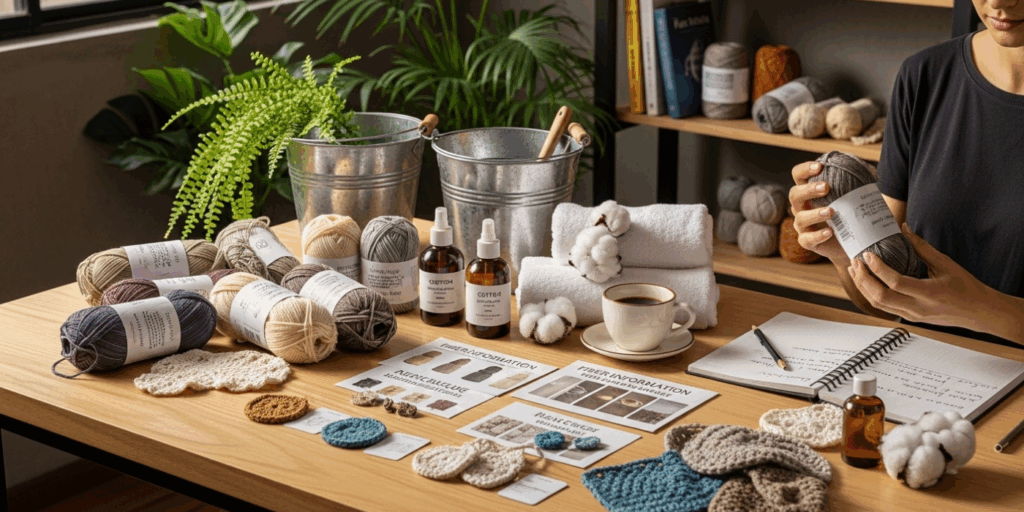
Before you even touch water, ask yourself: What is this made of? The fiber content changes everything.
Here’s a quick cheat sheet:
- Cotton, Bamboo, Linen, and Rayon: These plant-based fibers are strong when wet. They can handle gentle machine washing (on cold, delicate cycle) or hand washing. But—they do shrink if exposed to heat. Always air dry flat. Cotton also gets softer with each wash, which is a nice bonus!
- Wool, Alpaca, Cashmere, and Other Animal Fibers: These are delicate. They can felt (that’s when fibers mat together permanently) if exposed to hot water, agitation, or sudden temperature changes. Hand wash in lukewarm water with a wool-specific detergent. Never wring. Never twist. Just gently squeeze out water.
- Acrylic, Polyester, Nylon: These synthetics are the tough ones. They’re often machine-washable and dryable, but they can get fuzzy or pill if washed with rough fabrics (like towels). Use a mesh laundry bag to protect them. They also hold heat, so avoid high dryer settings.
- Blends: Most modern yarns are blends—say, 80% acrylic / 20% wool. When in doubt, treat it like the more delicate fiber. If your blend has wool, treat it like wool.
Pro tip: If you’re unsure, test a small swatch. Soak a 2-inch square in cool water for 15 minutes, then lay it flat to dry. See how it behaves. If it stretches, shrinks, or bleeds, you now know your limits.
I once washed a beautiful gray-and-cream baby blanket made of a wool-acrylic blend on warm. Result? The wool felted into a stiff, misshapen pancake. Lesson learned. Now I always test.
Your yarn label is your best friend. If you’ve lost it, search the brand and yarn name online. Most companies list care instructions on their websites. And if you’re feeling extra thoughtful? Write the care instructions right on a sticky note and tape it to the inside of your finished item. Future you will thank you.
The Gentle Art of Hand Washing Your Crochet
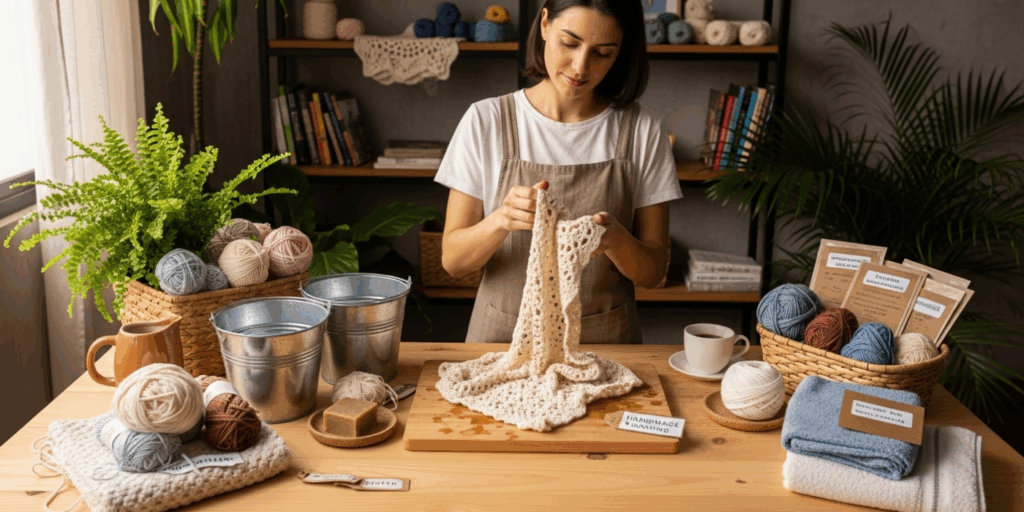
Hand washing is the gold standard for most handmade crochet, especially if it’s delicate, colorful, or intricate. It’s slower, yes—but it’s safer, and honestly? It’s kind of meditative.
Here’s how to do it right:
- Fill a basin with cool or lukewarm water (never hot). Add a small amount of gentle detergent—think baby shampoo, mild dish soap, or a wool-specific wash like Eucalan or Soak. Avoid regular laundry detergent; it’s too harsh.
- Submerge your item and gently swirl it around for 5–10 minutes. Don’t scrub, twist, or rub. Think “bath for your blanket,” not “laundry scrub.”
- Drain the water. Don’t pull the item out—lift it gently to avoid stretching. Let the water drain naturally.
- Rinse with fresh cool water. Repeat until the water runs clear. No suds left? Good.
- Remove excess water by gently pressing the item between two clean, dry towels. Roll the towel up like a burrito and press down. Don’t wring. Ever.
- Reshape and dry flat. Lay your item on a dry towel or mesh drying rack. Smooth out edges, stitches, and corners. Use pins or blocking mats if you’re working on lace or a complex pattern. Let it dry completely—this can take 24–48 hours, depending on thickness and humidity.
I know it sounds slow. But think of it this way: you didn’t rush to make it. Why rush to clean it?
And here’s a secret: air drying flat preserves shape better than hanging. Hanging can stretch out your sleeves, necklines, or edges—especially with heavier items like blankets or sweaters. I learned this the hard way with a crocheted cardigan that ended up looking like a long, sad hammock.
Bonus tip: Add a few drops of lavender essential oil to your rinse water. It smells divine, and it naturally repels moths. Win-win.
Drying, Blocking, and Reshaping: Making Your Crochet Look Brand New
Drying isn’t just about waiting—it’s about restoring. Even if your item didn’t get dirty, it might have stretched out while you wore it, or lost its shape during storage. That’s where blocking comes in.
Blocking is the process of shaping your crochet to its intended form after washing. It’s like giving your project a spa day and a little haircut.
For lace shawls, doilies, or intricate patterns: wet blocking is magic. After washing, lay your piece on a padded surface (like a yoga mat or foam board), pin it out with rust-proof T-pins, and gently stretch it to open up the design. Let it dry completely. The difference? From “meh” to “wow.”
For sweaters, blankets, or garments: steam blocking works wonders. Hold a steamer (or an iron set on steam, without touching the fabric) a few inches above the item. The heat relaxes the fibers, letting them settle into shape. Then let it cool and dry.
I blocked a crocheted shawl I made for my sister’s wedding. It had been folded in a drawer for months and looked crumpled. After blocking? It looked like it came straight from a boutique. She cried. I cried. It was worth every minute.
Don’t think blocking is just for experts. Even a simple scarf benefits from a quick reshape. Lay it out, smooth it with your hands, fluff the edges. It takes 10 minutes. The result? A piece that looks handmade—not handmade-and-neglected.
And if your item has stains? Spot-clean first. Use a damp cloth with a tiny bit of detergent and gently dab. Don’t rub. Patience is your ally.
Storing Your Crochet: Keeping It Fresh, Not Forgotten
You washed it. You blocked it. Now what? Storage matters just as much as cleaning.
Moths, mildew, and dust are the silent enemies of handmade crochet. Here’s how to outsmart them:
- Never store in plastic bins. They trap moisture and can cause mildew. Instead, use breathable cotton bags or acid-free tissue paper wrapped in a cardboard box.
- Keep away from direct sunlight. UV rays fade colors over time. A closet shelf or under-bed storage is ideal.
- Add natural repellents. Cedar blocks, lavender sachets, or even a few dried rosemary sprigs in your storage box will keep moths away—without chemicals.
- Fold, don’t hang. Hanging can stretch out shoulders, necklines, or cuffs. Fold your items neatly and stack them with tissue paper between layers.
I used to toss all my crocheted scarves into a plastic bin under my bed. One spring, I opened it—and found a moth nest. A tiny, sad pile of holes. Lesson learned. Now, everything gets a linen bag and a lavender sachet. No more surprises.
And if you’re storing seasonal items like winter blankets? Wash them before storing. Dirt and oils attract pests. Clean = protected.
Pro tip: Every 6 months, take your stored items out, give them a quick fluff, and air them by a window (not in direct sun). It keeps the fibers fresh and prevents mustiness.
Reviving Old or Yellowed Crochet: A Second Life for Your Treasures
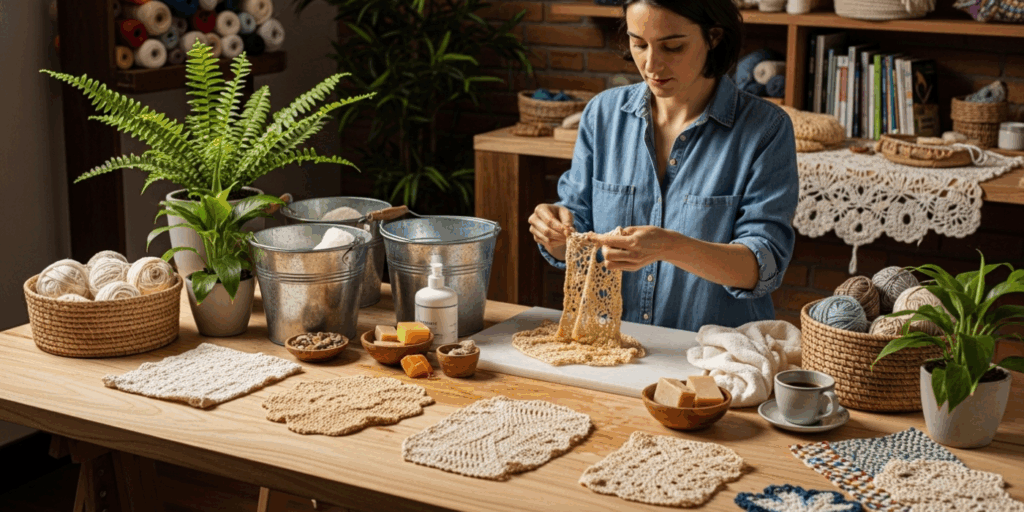
Maybe you inherited a vintage crocheted doily. Or you found an old baby blanket tucked in your closet from 20 years ago. It’s beautiful… but yellowed. Stiff. A little sad.
Don’t throw it out.
There’s hope.
For yellowed white or light-colored items, try a gentle soak in a solution of cool water + ¼ cup hydrogen peroxide (3%) and a splash of mild detergent. Let it sit for 1–2 hours—no longer. Rinse thoroughly. Sunlight helps brighten, so lay it in indirect sunlight to dry. Never use bleach—it destroys fibers.
For stiff, crusty items, try soaking in lukewarm water with a tablespoon of white vinegar. Vinegar breaks down mineral deposits and restores softness. Rinse well afterward.
I revived my grandmother’s crocheted baby bonnet this way. It was brittle and stained. After a vinegar soak and gentle blocking, it felt soft again. I framed it. Now it hangs in my daughter’s nursery. That’s the power of care.
And if your item has holes? Don’t despair. You can darn small holes with matching yarn and a tapestry needle. It’s not magic—but it’s heartfelt. And sometimes, the repaired spots become part of the story.
Final Thoughts: Your Crochet Is More Than Fabric—It’s Love Made Visible
Every stitch you’ve made carries intention. The hours spent watching TV while crocheting. The quiet moments before bed, yarn in hand. The gift you gave to someone you love.
Caring for your crochet isn’t about perfection. It’s about presence. It’s saying: I value this. I value the time it took. I value the hands that made it.
You don’t need fancy tools. You don’t need a professional cleaner. You just need a little patience, a clean sink, and the willingness to treat your work with kindness.
So the next time your blanket needs a wash? Don’t hesitate. Don’t fear. Wash it gently. Block it with care. Store it with love.
And when your grandchild someday finds that same blanket, soft and clean, smelling faintly of lavender—they’ll feel it. They’ll feel your care. They’ll feel your hands.
That’s the real magic of handmade.
Your Turn: What’s Your Crochet Care Ritual?
I’d love to hear from you. What’s your favorite way to wash your crochet? Do you have a go-to detergent? A special drying spot? A story about a piece you saved from the trash?
Drop a comment below—I read every one. And if you found this helpful, share it with a fellow crocheter. Because handmade things are meant to be cherished… and passed on.
Now go ahead—grab that dusty blanket. Fill the sink. Breathe deep. You’ve got this.

Maria Santos is a dedicated crochet and knitting enthusiast who finds joy in turning simple strands of yarn into meaningful, handmade art. With a natural eye for detail and a deep love for fiber crafts, she brings warmth, creativity, and years of personal experience to every project. Maria is inspired by the stories woven into each stitch and loves sharing that passion with others.