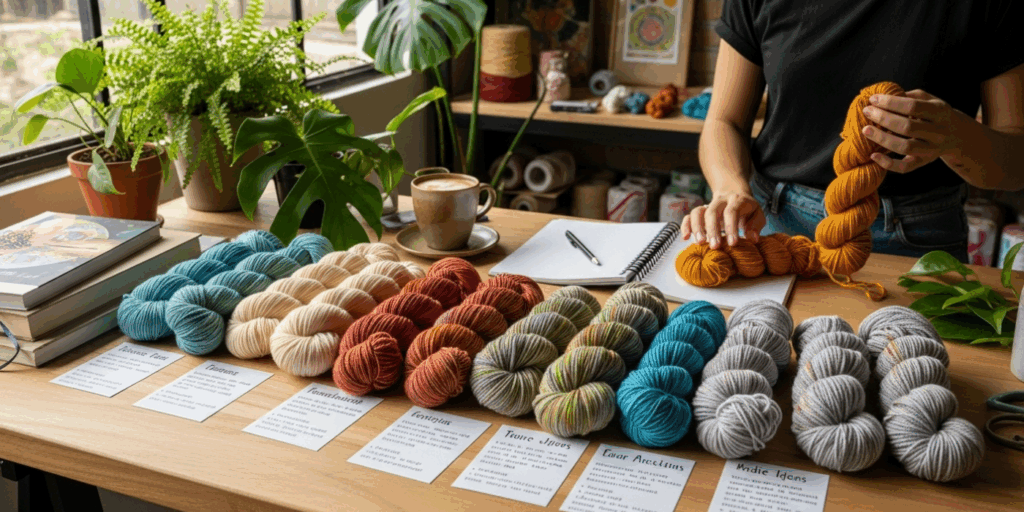
Have you ever held a skein of yarn that looked like it was dipped in a sunset—swirling purples melting into soft pinks, with flecks of gold shimmering like morning light on water? If you have, you know the magic. If you haven’t… well, you’re in for a treat.
Welcome to the quiet, colorful world of indie yarns—hand-dyed, small-batch, and bursting with personality. Unlike mass-produced yarns that come in predictable, uniform colors, indie yarns are made by passionate artisans who treat each skein like a canvas. Every twist of dye, every dip in the pot, creates something one-of-a-kind. And in a world where everything feels mass-produced, that kind of uniqueness? It’s not just nice—it’s healing.
In this article, we’ll dive into why indie yarns are more than just a crafting trend—they’re a movement toward mindfulness, creativity, and connection. Whether you’re a seasoned knitter, a curious beginner, or someone who just loves beautiful things, you’ll find something here that speaks to you. We’ll explore what makes hand-dyed yarns special, how to choose the perfect skein for your next project, where to find trustworthy indie dyers, and even how these tiny balls of color can bring joy back into your everyday life.
Let’s unravel this together—literally and figuratively.
Why Hand-Dyed Yarn Feels Different (It’s Not Just the Color)
You’ve probably noticed that when you buy yarn from a big-box store, the colors are consistent—too consistent. Every skein in the same shade looks identical. There’s nothing wrong with that, of course. But after a while, it can feel… flat.
Hand-dyed yarn, on the other hand, sings.
Each skein is dyed by hand—sometimes in small pots, sometimes in buckets, often with natural ingredients like onion skins, indigo, or even coffee. The result? Subtle gradients, speckles that look like constellations, and color transitions that feel alive. No two skeins are exactly alike. That’s not a flaw—it’s a feature.
Think of it like this: mass-produced yarn is like a printed photograph. Hand-dyed yarn is like a watercolor painting. One is precise. The other is emotional.
And that emotional quality matters. Studies show that tactile, creative activities like knitting and crocheting reduce stress and improve focus. When you’re working with yarn that feels personal—something made by a real person, with intention—it deepens the experience. You’re not just making a scarf. You’re holding a piece of someone’s art.
Plus, indie dyers often use high-quality bases—merino wool, silk blends, alpaca, even bamboo. These fibers feel luxurious against your skin, drape beautifully, and wear well. You’re not just investing in color—you’re investing in texture, comfort, and longevity.
So next time you’re tempted to grab the cheapest yarn on the shelf, pause. Ask yourself: Do I want something functional—or something meaningful?
How to Choose the Right Indie Yarn for Your Project (No Guesswork Needed)
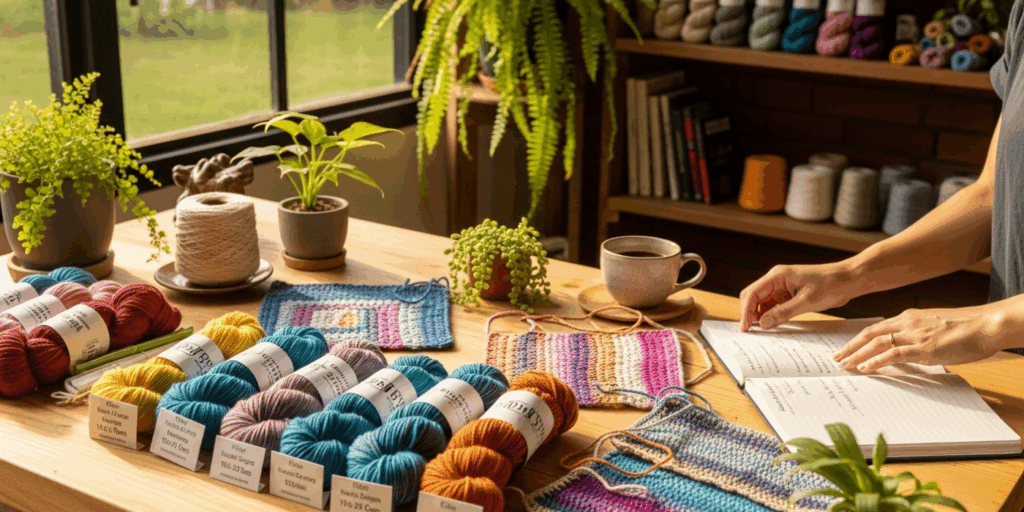
Choosing indie yarn can feel overwhelming. There are hundreds of dyers on Etsy, Instagram, and independent websites. Each one has their own style: some go bold with neon speckles; others prefer earthy, muted tones. So how do you pick the right one?
Start with your project.
- For a cozy sweater? Look for a soft, bulky base like merino wool or a wool-alpaca blend. These fibers are warm, forgiving, and perfect for slow, comforting knits.
- For a lightweight shawl? Try a silk or cashmere blend. These drape like liquid and catch the light in the most magical way.
- For a colorful baby blanket? Go for a superwash wool—it’s machine-washable and gentle on tiny skin.
Now, think about color.
Do you want a yarn that does all the talking? Go for a variegated or self-striping skein—these create patterns automatically as you knit. Perfect for beginners who want impressive results without complex stitch patterns.
Or do you prefer a quiet background? Choose a solid or semi-solid base. These let your stitch patterns shine—think cables, lace, or textured stitches.
Here’s a pro tip: Look at the dye lot number. Unlike commercial yarns, indie dyers often don’t have standardized dye lots. Instead, they label each skein individually. If you’re buying multiple skeins for the same project, make sure they’re from the same dye session (often called a “batch” or “run”). Even slight variations in shade can create visible lines in your finished piece.
And don’t be afraid to ask questions. Most indie dyers are happy to chat. Send them a quick message: “I’m making a cabled cardigan—would this colorwork well with a textured stitch?” You might get a personalized recommendation—and a new friend.
Where to Find the Best Indie Yarn (Beyond Etsy)
You’ve heard of Etsy—of course you have. But the indie yarn world is bigger than one platform.
Here are a few places to discover hidden gems:
- Small-Batch Yarn Shops
Look for local fiber festivals or craft fairs. Many dyers sell directly at these events. You can touch the yarn, see the color in natural light, and meet the person behind the magic. It’s like a mini-retreat for craft lovers. - Independent Websites
Brands like Hikoo, The Yarn Collective, and Lunar Yarns have their own websites with stunning photography and detailed dye descriptions. These sites often offer limited-edition collections that sell out fast. - Yarn Clubs & Subscriptions
Join a monthly yarn club. For around $30–$50 a month, you’ll receive a hand-dyed skein (sometimes two!) with a surprise colorway, along with a pattern or stitch guide. It’s like a gift for your creative soul—delivered to your door. - Instagram & TikTok
Follow hashtags like #indieyarn, #handdyedyarn, or #yarnsofinstagram. Many dyers post time-lapse videos of their dyeing process. Watching a skein transform from white to a rainbow swirl? It’s mesmerizing. And you’ll often find exclusive discounts for followers.
One of my favorite discoveries? A small dyer in Oregon named Wildflower Yarns. She uses plants grown in her backyard—marigolds, madder root, and even black walnut hulls—to create her colors. Her “Autumn Leaves” skein looks like a forest floor after a storm. I used it for a cowl… and I’ve had strangers stop me on the street to ask where I got it.
That’s the power of handmade.
The Joy of Supporting Small Makers (And Why It Matters)
Let’s talk about impact.
When you buy a skein of indie yarn, you’re not just buying fiber. You’re supporting a person.
Many indie dyers work from home studios—sometimes in garages, sometimes in kitchens, often with kids or pets wandering in and out. They’re moms, dads, retirees, artists, teachers. They don’t have marketing teams or ad budgets. They rely on word-of-mouth, Instagram posts, and the kindness of people like you.
And here’s the beautiful part: your purchase helps them keep doing what they love.
Compare that to buying yarn from a giant corporation. That money goes to shareholders, warehouses, shipping logistics. With indie yarn? It goes to a single person’s rent, their dye supplies, their child’s school supplies, their next batch of organic wool.
It’s a ripple effect.
I once wrote a thank-you note to a dyer named Cassie from Blue Moon Fiber Arts after receiving a stunning “Midnight Sky” skein. She replied with a photo of her dog curled up next to her dye pots—and a promise to name her next colorway after me. (It’s called “Maggie’s Moonlight,” and yes, I’m already planning a shawl with it.)
That’s not transactional. That’s human.
Supporting small makers isn’t just ethical—it’s emotionally rewarding. You’re not just making something beautiful. You’re helping keep creativity alive in a world that too often values speed over soul.
So next time you’re shopping, ask yourself: Who made this? And if you don’t know… maybe it’s time to find out.
How Indie Yarn Can Transform Your Crafting Routine (And Maybe Your Life)
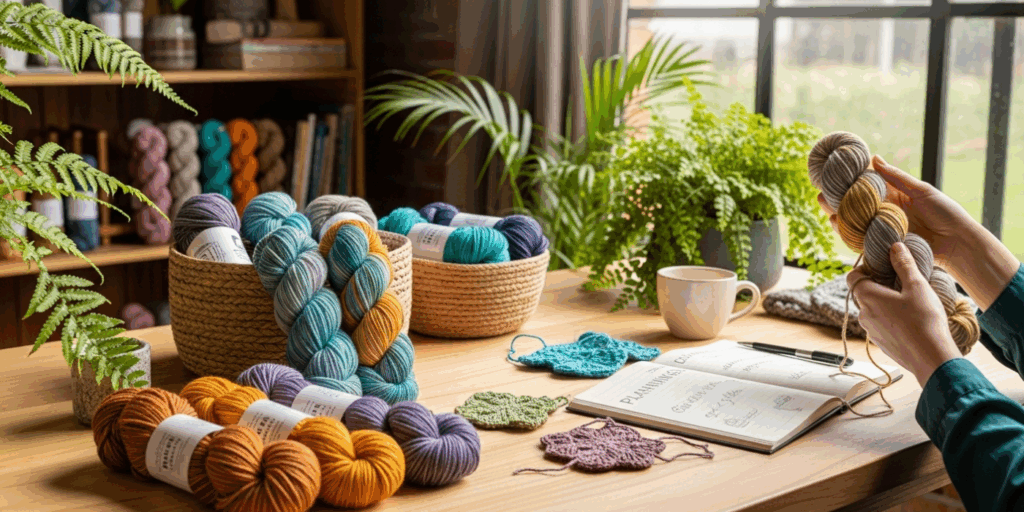
Here’s a secret: knitting with indie yarn isn’t just about the end result.
It’s about the ritual.
There’s something sacred about unwrapping a skein that arrived in a hand-written note, wrapped in tissue paper, tied with twine. You don’t just pull it out—you pause. You admire it. You take a breath.
That pause? That’s mindfulness.
In our hyper-connected, screen-saturated world, moments of stillness are rare. But when you sit down with a hand-dyed skein, you’re stepping into a different rhythm. You’re not scrolling. You’re not multitasking. You’re just you, your needles, and the slow, hypnotic rhythm of stitches forming.
Many knitters say their indie yarn projects become meditative. One woman I spoke with told me she only works on her “special skeins” on Sunday evenings—after tea, with candles lit. “It’s my time to remember who I am,” she said. “Not just a mom, a worker, a caregiver. But a creator.”
And that’s powerful.
Even if you’re not a knitter, you can borrow this idea. Buy one skein of indie yarn—not to make anything “useful,” but just to be with it. Let it sit on your table. Let its colors change with the light. Let it remind you that beauty doesn’t have to be practical to be valuable.
Sometimes, the most meaningful things are the ones we make slowly.
A Few Indie Yarn Brands to Start With (Curated Just for You)
Still not sure where to begin? Here are five indie dyers whose work consistently wows the crafting community—and why they’re worth a try:
- The Knitting Tree (UK) – Known for their “Bloom” series: colors inspired by wildflowers. Soft, romantic, and perfect for lace shawls.
- Huckleberry Yarn (USA) – Uses plant-based dyes and sustainable practices. Their “Forest Floor” gradient is like walking through autumn woods.
- Dyed in the Wool (Canada) – Bold, modern colorways with a playful twist. Try their “Electric Lemonade” for a pop of fun.
- Moth & Moss (Australia) – Earthy, muted tones with a touch of metallic thread. Ideal for minimalist knitters who crave depth.
- Wool and the Gang (Spain) – Offers kits with yarn + pattern included. Great for beginners who want to feel confident from day one.
Pro tip: Many of these brands offer sample sizes—tiny 25g skeins—for just a few dollars. Use them to test colors before committing to a full skein. You’ll thank yourself later.
Final Thoughts: Let Your Hands Tell a Story
We live in a world that rewards speed. Fast food. Fast fashion. Fast content.
But handmade yarn? It asks for something else.
It asks you to slow down.
To notice the way the light catches a purple streak in the fiber.
To feel the softness of wool spun by hand.
To appreciate the person who spent hours stirring dye, rinsing, drying, labeling—with care.
When you choose indie yarn, you’re not just selecting a material. You’re choosing a different way of living. One where beauty matters. Where intention counts. Where your hands are not just tools—but storytellers.
So go ahead.
Buy that skein you’ve been eyeing.
The one with the color that makes your heart skip.
The one that looks like a memory, a dream, or a place you’ve never been.
Knit it slowly.
Wear it proudly.
And when someone asks where you got it?
Smile.
And say: I found it in a small studio, by a person who loves color as much as I love creating.
Then, maybe—just maybe—you’ll inspire someone else to do the same.
What’s your favorite indie yarn colorway?
Have you ever fallen in love with a skein just by looking at it? Share your story in the comments below—I’d love to hear about the yarn that changed your craft (or your day). And if you’ve discovered a dyer who’s made your heart glow, pass them along. Let’s keep this beautiful community growing—one hand-dyed skein at a time. 🧶✨
Maria Santos is a dedicated crochet and knitting enthusiast who finds joy in turning simple strands of yarn into meaningful, handmade art. With a natural eye for detail and a deep love for fiber crafts, she brings warmth, creativity, and years of personal experience to every project. Maria is inspired by the stories woven into each stitch and loves sharing that passion with others.