
You’ve just finished your first scarf—soft, cozy, and proudly handmade. But your fingers ache. Your wrist feels tight. And that hook? It slipped right out of your grip halfway through row seven.
Sound familiar?
If you’ve ever felt like your crochet hook is working against you instead of with you, you’re not alone. The truth? Not all hooks are created equal. The material they’re made from, the shape of their head, even the curve of their handle—these tiny details can turn a frustrating session into a joyful, pain-free craft experience.
Whether you’re a beginner just starting out or a seasoned crocheter who’s been at it for years, the right hook can make all the difference. In this guide, we’ll walk you through everything you need to know about crochet hooks: the materials they’re made from, the different shapes and sizes, and—most importantly—how to choose one that feels natural in your hand so you can crochet longer, happier, and without pain.
Let’s dive in.
Why Your Hook Material Matters More Than You Think
You might think a hook is just a hook—metal, plastic, wood… what’s the big deal? But here’s the secret: the material affects how you crochet, not just how it feels.
Let’s start with aluminum. Lightweight and smooth, aluminum hooks glide effortlessly through yarn. They’re great for fast work, especially with slippery fibers like silk or synthetic blends. But here’s the catch: they can be cold to the touch and sometimes too slick—especially if your hands get a little sweaty. I once watched a friend drop her aluminum hook three times in five minutes while working on a lace shawl. She swore it was “magic” until her fingers started tingling from the cold.
Then there’s plastic. Affordable, colorful, and warm to the touch, plastic hooks are perfect for beginners. They’re forgiving—less likely to slip—and gentle on the hands. But they can wear down over time, especially with heavy use or thick yarns. I’ve seen plastic hooks develop tiny grooves from years of crocheting wool, and suddenly, your stitches start catching.
Now, wood and bamboo. These are the quiet heroes of the crochet world. Warm, naturally grippy, and beautifully quiet as they slide through yarn. Many crocheters swear by bamboo hooks for projects like blankets or amigurumi—they just feel right. Plus, they’re eco-friendly. But they require a little care: don’t leave them in direct sunlight or soak them in water. A light wipe with olive oil once in a while keeps them smooth and happy.
And then… ergonomic hooks. These aren’t just a trend—they’re a game-changer. Made from a mix of silicone, rubber, and sometimes even memory foam, these handles are designed to reduce strain. One of my students, a retired teacher with arthritis, told me she hadn’t crocheted in 12 years… until she tried an ergonomic hook. “It’s like my hands finally remembered how to love this,” she said.
Pro tip: Try holding a few different types in your hand. Notice which one feels most like an extension of your fingers. Don’t just pick the cheapest one. Your hands will thank you.
The Shape of Your Hook: More Than Just a Point

Let’s talk about the head of your hook—the business end. You’ve probably noticed that not all hooks look the same. Some have a sharp, pointed tip. Others are rounded, almost like a tiny spoon. Why does this matter?
Think of it like writing with a pen. A fine-tip pen gives you control for delicate work. A broader tip? Better for bold strokes. Same idea here.
Standard hooks (also called “inline” or “regular”) have a narrow, tapered throat. They’re the most common and work well for most projects—especially if you’re following patterns that assume this shape. They’re great for lace, intricate stitches, and detailed work.
But if you’re working with bulky yarn or doing a lot of single crochets, you might want to try a tapered hook. These have a slightly wider throat, making it easier to pull loops through without straining your fingers. I call them the “gentle giants” of crochet—they don’t force your hand to work harder.
Then there’s the chronic crocheter’s secret weapon: the offset hook. This one has a bend in the handle, so the hook sits at an angle to your fingers. Sounds weird? Try it. It changes your wrist posture dramatically. If you’ve ever felt that dull ache behind your thumb or along your forearm after a long session, an offset hook might be your new best friend. Many people with carpal tunnel or tendonitis swear by them.
And don’t overlook the hook size. Yes, the number on the hook matters. A 4mm hook isn’t just “smaller than a 5mm”—it affects tension, stitch definition, and even how much yarn you use. If your blanket looks too loose or too tight, the hook size might be the culprit, not your technique.
Quick reference:
- Bulky yarn? Try 6.5mm–9mm
- Worsted weight? 5mm–5.5mm (the sweet spot for most projects)
- Lace or thread? 1.5mm–2.5mm
And here’s a little trick: if your pattern doesn’t specify a hook size, look at the yarn label. Most brands recommend a range. Start in the middle and adjust from there.
Ergonomics: Crocheting Without the Ache
Let’s be real: crocheting for hours shouldn’t feel like a workout. Yet so many of us end up with stiff fingers, sore wrists, or even numbness. Why? Because we’re holding our hooks like we’re gripping a hammer.
The good news? You don’t have to suffer.
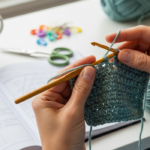
Ergonomic crochet isn’t about fancy gadgets—it’s about alignment. Your wrist should be straight, not bent. Your thumb and index finger should rest gently on the hook, not clenched. Your forearm? Relaxed, not tense.
Try this simple test: Hold your hook as you normally do. Now, shake your hand out like you’re flicking water off your fingers. If you feel tension, you’re holding it too tightly.
Here are three easy fixes:
- Use a cushioned grip. You can buy silicone slip-on grips for under $5, or even wrap a rubber band around the handle for extra cushion. I’ve seen people use foam pipe insulation—yes, the kind from the hardware store—and it works wonders.
- Change your grip style. Most people use the “pencil grip” (like holding a pen). But try the “knife grip”—holding the hook like you’re holding a butter knife. It changes the angle of your wrist and reduces pressure on your thumb joint. It feels strange at first, but many find it more sustainable.
- Take micro-breaks. Set a timer for every 20 minutes. Stand up. Stretch your wrists. Roll your shoulders. Do a quick finger stretch: open your hand wide, then make a gentle fist. Repeat three times. It takes less than a minute—and it prevents long-term strain.
One of my students, a nurse who crochets during her lunch breaks, started using a wrist brace designed for computer users. “I thought it was silly,” she said. “But now I can crochet for an hour without my hand screaming at me.”
Your hands are your tools. Treat them like the valuable assets they are.
Finding Your Perfect Hook: A Personal Journey
Here’s the truth no one tells you: there’s no “best” hook—only the best hook for you.
I’ve seen grandmas use wooden hooks from the 1950s and swear they’re perfect. I’ve seen teens with colorful plastic hooks that match their nail polish. And I’ve seen professional designers use custom titanium hooks that cost $50 each.
The key? Experiment.
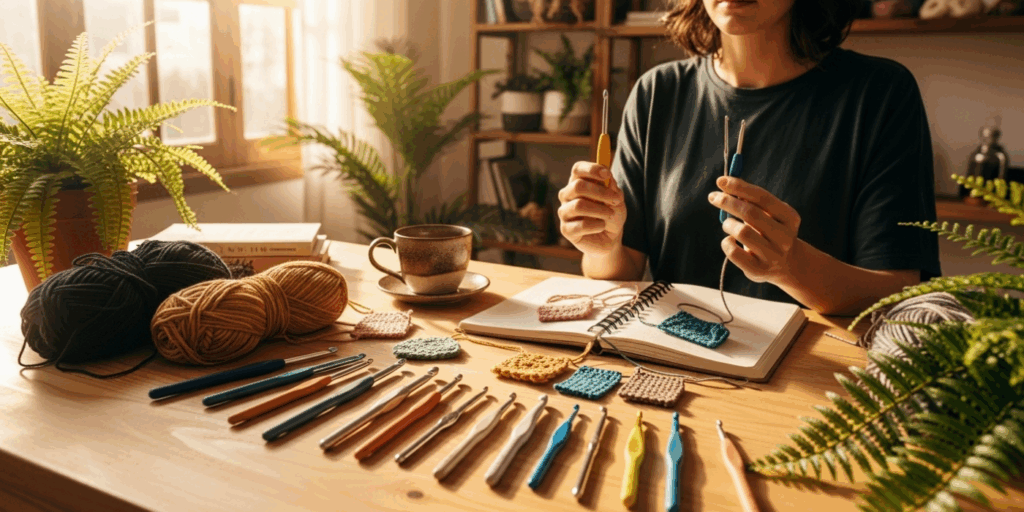
Start by picking up a few different types at your local craft store. Don’t buy a whole set yet—just get one of each material: metal, plastic, wood, and maybe one ergonomic. Try them with the same yarn. Notice:
- Which one slips less?
- Which one feels warm, not cold?
- Which one lets you work faster without effort?
- Which one makes you want to keep going?
I remember a woman named Marla who came to my class after years of giving up crochet because her hands hurt. She tried six different hooks before settling on a bamboo one with a soft silicone grip. “It’s not the most expensive,” she said, “but it’s the one that lets me forget I’m even holding it.”
That’s the magic.
Bonus tip: If you love a certain hook, buy multiples. Hook tips wear down. Handles crack. Colors fade. Having a backup means you never have to stop crafting because your favorite tool is gone.
Also, consider your project. A delicate lace shawl? You might want a small, smooth steel hook. A chunky blanket? Go for a thick, grippy wooden one. Keep a few on hand so you’re not stuck with the wrong tool for the job.
And don’t forget: your hook should feel like an extension of your hand—not a tool you’re forcing to cooperate.
The Hidden Cost of the Wrong Hook (And How to Avoid It)
Let’s talk about what happens when you ignore ergonomics.
Chronic pain doesn’t show up overnight. It creeps in. Maybe you notice your wrist feels stiff after crocheting for an hour. Then it’s two hours. Then it’s every time you pick up your hook. Before you know it, you’re avoiding your favorite hobby because it hurts.
This isn’t just about discomfort—it’s about lost joy.
Crochet is supposed to be calming. Meditative. A way to slow down and create something beautiful. When your body rebels, that peace vanishes.
Studies show that repetitive strain injuries (RSIs) from crafts like crochet and knitting are on the rise—especially among women over 40. Why? Because we’ve been taught to “push through the pain.” But your body isn’t built for that.
The solution? Prevention.
- Rotate your hooks by project. Don’t use the same one for everything.
- Keep your workspace lit. Poor lighting makes you lean in, which strains your neck and shoulders.
- Use a lap desk or cushioned surface. Holding your work in your lap for hours? That’s asking for trouble. A small tray or pillow can make a huge difference.
- Hydrate your skin. Dry hands = more friction = more grip tension. Keep hand cream nearby.
And if you’re already feeling pain? Don’t wait. Talk to a physical therapist who understands hand ergonomics. Many specialize in craft-related injuries. A few simple stretches and adjustments can bring back your love for crochet.
Your hands don’t owe you hours of pain. They deserve comfort.
The Joy of the Right Fit: A Personal Story
I’ll never forget the first time I met Diego.
He was 72, retired, and had crocheted his whole life. But after a minor stroke, his right hand lost some dexterity. He couldn’t hold a standard hook anymore. He thought his crafting days were over.
Then he found an ergonomic hook with a weighted, curved handle and a soft rubber grip. He brought it to my class, trembling slightly, and said, “I just wanted to make one more blanket for my granddaughter.”
He finished it in three weeks.
When he showed it to me—soft, warm, perfectly even stitches—I cried.
He didn’t need to be “good.” He just needed the right tool.
That’s the power of the right hook.
It’s not about skill. It’s about access. It’s about letting creativity flow without barriers.
Whether you’re recovering from injury, managing arthritis, or simply tired of sore fingers, the right hook doesn’t just make crocheting easier—it makes it possible again.
And that’s worth more than any price tag.
Your Next Step: Choose With Intention
So where do you start?
Here’s your simple action plan:
- Grab 3 hooks—one metal, one wood/bamboo, and one ergonomic (if you can).
- Use them with the same yarn for 10 minutes each.
- Write down how each one feels—not just in your hand, but in your wrist, your shoulder, even your breathing.
- Choose one to buy—and don’t rush. Your hands know what’s right.
And if you’re shopping online? Read the reviews—not just for “quality,” but for “comfort.” Look for phrases like “no more wrist pain,” “finally comfortable,” or “my hands don’t hurt anymore.”
Those are the real testimonials.
Final Thoughts: Craft With Comfort, Craft With Joy
Crochet is more than stitches and yarn. It’s quiet moments. It’s love stitched into blankets for newborns. It’s scarves made for cold winters and gifts wrapped in care. It’s therapy, tradition, and creativity all in one.
But none of that matters if your hands hurt.
The right hook isn’t a luxury. It’s a necessity.
It’s the difference between giving up and keeping going.
Between pain and peace.
Between a chore and a joy.
So take a breath. Look at your hook. Is it serving you—or are you serving it?
Try something new today. A softer grip. A different shape. A new material.
Your hands are waiting.
And your next masterpiece? It’s just one comfortable stitch away.
What’s your favorite crochet hook—and why?
I’d love to hear your story. Drop a comment below—whether you’re a beginner with your first hook or a veteran with a collection of 50. Let’s build a community where no crocheter has to suffer in silence.
And if this guide helped you, share it with someone who’s been holding their hook too tight. They might just find their joy again.
Happy crocheting. 🧶

Maria Santos is a dedicated crochet and knitting enthusiast who finds joy in turning simple strands of yarn into meaningful, handmade art. With a natural eye for detail and a deep love for fiber crafts, she brings warmth, creativity, and years of personal experience to every project. Maria is inspired by the stories woven into each stitch and loves sharing that passion with others.