
Have you ever held a skein of yarn and felt something special about it—maybe it was soft as a whisper, warm like a hug, or crisp like autumn air? That feeling? It’s not magic. It’s fiber.
Whether you’re a seasoned knitter, a curious beginner, or just someone who loves the texture of handmade sweaters, understanding the difference between natural and synthetic yarns can transform your projects—from cozy winter scarves to durable dishcloths. Not all yarns are created equal, and choosing the right one isn’t just about color or price. It’s about how the fiber behaves, how it feels against your skin, how it lasts, and even how it impacts the planet.
In this guide, we’ll break down the most common natural and synthetic yarn fibers—no jargon, no fluff—just clear, practical insights you can use on your next craft day. We’ll explore what makes wool breathe, why cotton is perfect for summer, how acrylic became the go-to budget option, and even why some fibers are better for kids’ clothes or pet beds. Plus, we’ll share simple tips to help you pick the best yarn for your project—and your values.
By the end, you won’t just know the difference between silk and polyester. You’ll feel confident choosing yarns that match your needs, your style, and your conscience.
Why Fiber Matters More Than You Think
Let’s be honest: when you’re at the yarn store, it’s easy to get distracted by vibrant colors or cute labels. But the real magic—or maybe the real challenge—hides in the fiber content label. That tiny line of text? It tells you everything.
Think of yarn like clothing fabric. You wouldn’t wear a polyester blazer in the summer, right? Same logic applies to knitting. Natural fibers like wool, cotton, and alpaca come from animals or plants. They’re breathable, biodegradable, and often temperature-regulating. Synthetic fibers like acrylic, nylon, and polyester are made in labs from petroleum. They’re durable, affordable, and sometimes even machine-washable—but they don’t “breathe” the same way.
Here’s the kicker: the fiber you choose affects how your project feels, lasts, and even how it impacts the environment. A wool blanket might cost more upfront, but it could last decades. An acrylic scarf might be cheap and colorful, but it sheds microplastics every time you wash it.
And if you’ve ever tried to knit a sweater with 100% acrylic only to find it stretches out like taffy after two wears? Yeah. That’s a fiber issue.
So, why does this matter to you? Because the right fiber makes your project work. It means your socks stay warm without itching, your baby blanket is gentle on sensitive skin, and your dishcloths actually dry quickly instead of holding onto moisture like a sponge.
Understanding fibers isn’t about becoming a textile scientist. It’s about making smarter, more satisfying choices—so your creations look beautiful, feel amazing, and last longer.
The Warm Embrace of Natural Fibers: Wool, Cotton, Silk, and More
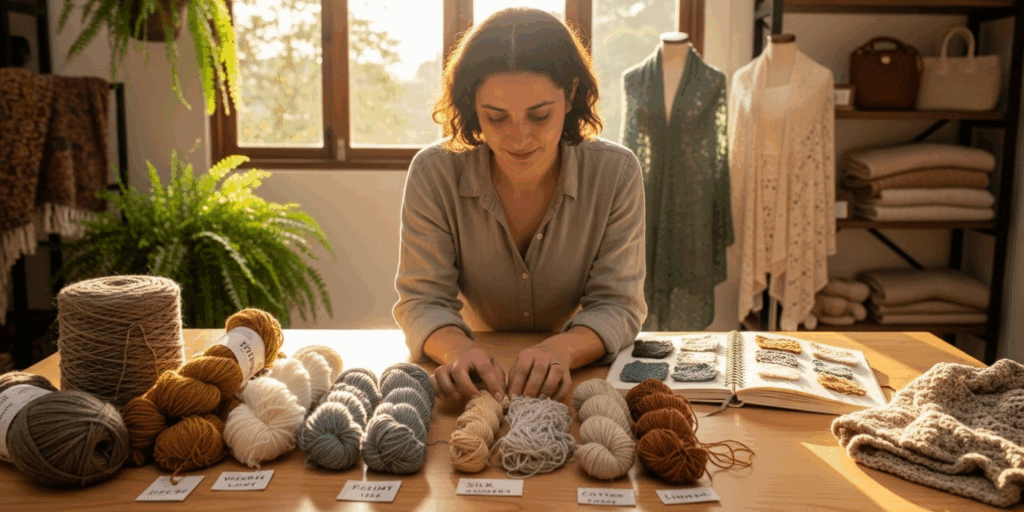
If you’ve ever snuggled into a chunky knit blanket on a chilly evening, you’ve probably felt the magic of wool. Natural fibers come from living sources—and they’ve been used for thousands of years for good reason.
Wool, especially from sheep, is the superstar of natural yarns. It’s naturally insulating, moisture-wicking, and even flame-resistant. Merino wool? Softer than you’d think—perfect for next-to-skin wear. And here’s a fun fact: wool can absorb up to 30% of its weight in moisture without feeling damp. That’s why it’s ideal for socks, hats, and winter coats.
Then there’s cotton. If wool is the winter warrior, cotton is the summer breeze. It’s cool, absorbent, and hypoallergenic—making it perfect for baby clothes, dishcloths, and lightweight shawls. But beware: 100% cotton can stretch out over time, so many knitters blend it with a touch of nylon for structure.
Silk? Oh, silk is luxury. Smooth, strong, and shimmering, it drapes like liquid gold. It’s often blended with wool or alpaca to add sheen and drape to sweaters or shawls. Bonus: silk is incredibly strong for its weight—stronger than steel, pound for pound!
Don’t forget alpaca and cashmere. Alpaca is warmer than wool, hypoallergenic (no lanolin!), and incredibly soft. Cashmere? So soft it feels like clouds. But both come with a higher price tag—and ethical sourcing matters. Look for labels that say “responsible fiber” or “fair trade.”
And then there’s linen, made from flax plants. It’s crisp, strong, and gets softer with every wash. Perfect for summer tops or table runners, but it can be stiff when new—so it’s not ideal for baby items unless blended.
The beauty of natural fibers? They’re biodegradable. When your project finally retires after years of love, it won’t sit in a landfill for centuries. They also regulate temperature naturally—keeping you warm in winter and cool in summer. That’s why so many artisans swear by them.
But they’re not perfect. Wool can shrink if washed wrong. Cotton wrinkles. Silk needs gentle care. And yes, they often cost more.
Still, if you value comfort, sustainability, and that authentic handmade feel? Natural fibers are hard to beat.
The Practical Power of Synthetic Fibers: Acrylic, Nylon, and Beyond
Now, let’s talk about the underdog: synthetic fibers.
If natural fibers are the artisan’s choice, synthetics are the workhorse. Made from petrochemicals in factories, they’re affordable, consistent, and low-maintenance. And honestly? They’ve revolutionized crafting.
Acrylic is the most popular synthetic yarn out there. Why? Because it mimics wool without the itch, the cost, or the care requirements. It’s machine-washable, colorfast, and comes in every shade imaginable. Perfect for beginners, kids’ projects, or charity blankets where you need volume without the budget.
Nylon doesn’t usually stand alone—it’s the secret weapon in sock yarns. Add 20% nylon to wool or cotton, and suddenly your socks can handle daily wear without wearing out. It’s tough, elastic, and durable.
Polyester? Think fleece jackets and sportswear. It’s moisture-wicking and quick-drying, which makes it great for outdoor gear or athletic wear. But it doesn’t breathe like wool, so it can feel “plasticky” against the skin.
And then there’s polyamide (another name for nylon) and polypropylene—often used in outdoor or marine yarns because they resist mold and mildew.
Here’s the real advantage of synthetics: consistency. Every skein of acrylic yarn from the same batch looks and feels nearly identical. No surprises. No uneven dye lots. No shrinking. And they’re often cheaper—sometimes half the price of wool.
For crafters on a budget, pet owners (who need washable toys), or those with wool allergies, synthetics are a lifesaver. They’re also great for projects that need to survive the washing machine—like baby blankets, dishcloths, or dog sweaters.
But there’s a catch.
Synthetics aren’t biodegradable. A single acrylic sweater can shed hundreds of thousands of microplastics in one wash cycle, ending up in our oceans. And while they’re durable, they tend to pill over time, lose shape, and can feel “hot” when worn for long periods.
They’re not “bad.” But they’re not “natural.” And knowing that helps you make intentional choices.
Blending the Best of Both Worlds: Why Hybrid Yarns Win
Here’s the secret most experienced knitters won’t tell you: the best yarns are often blends.
Think of it like making the perfect sandwich. You don’t just use bread or just cheese—you combine them for balance. The same goes for yarn.
A 50% wool / 50% acrylic blend gives you warmth, softness, and machine-washability. It’s forgiving for beginners, affordable, and still cozy. Perfect for your first sweater.
A 70% cotton / 30% nylon blend? Ideal for socks that won’t stretch into oblivion. The cotton keeps it breathable; the nylon adds strength.
Alpaca + silk + nylon? That’s luxury meets durability. You get the cloud-like softness of alpaca, the shimmer of silk, and the resilience of nylon—ideal for a special shawl you’ll treasure for years.
Even organic cotton + recycled polyester blends are popping up now—offering sustainability with practicality.
Blends solve the weaknesses of single fibers. Wool itches? Blend it with silk. Cotton stretches? Add nylon. Acrylic feels synthetic? Mix in a touch of wool to soften it up.
And here’s the best part: blends give you options. You don’t have to choose between “eco-friendly” and “easy care.” You can have both.
Many popular brands—like Lion Brand, Malabrigo, and Cascade—now offer blends designed for specific uses: baby yarns, sock yarns, worsted weight for blankets. Read the label. Look for the percentages. Ask yourself: What do I need this project to do?
- Warmth? → Wool or alpaca.
- Washability? → Acrylic or nylon.
- Softness? → Silk or cashmere.
- Durability? → Nylon or polyamide.
A good blend lets you customize the experience.
Making Ethical and Eco-Friendly Choices (Without the Guilt)
Let’s be real: crafting is joyful. But it’s also a consumer habit. And like any habit, it has consequences.
Natural fibers sound greener, right? But not all wool is created equal. Factory farming, chemical treatments, and long-distance shipping can take a toll. Similarly, synthetic fibers come from oil—and their production releases greenhouse gases.
So how do you knit with a clear conscience?
Start small.
✅ Choose certified organic fibers—look for GOTS (Global Organic Textile Standard) or Oeko-Tex labels. These ensure no harmful chemicals were used in growing or processing.
✅ Support small, ethical brands. Many indie dyers use locally sourced wool, plant-based dyes, and sustainable packaging. Etsy and local fiber festivals are goldmines for this.
✅ Buy secondhand or swap yarn. Got an old project you don’t love? Trade it. Many knitting groups host yarn swaps. It’s free, fun, and reduces waste.
✅ Opt for recycled synthetics. Brands like Re:Spin and Tencel now make yarn from recycled plastic bottles. It’s still synthetic, but it’s giving waste a second life.
✅ Care for your yarn. Wash wool in cold water, lay flat to dry. That extends its life. Wash synthetics in a Guppyfriend bag to catch microplastics. Small habits = big impact.
You don’t have to be perfect. Just be aware.
One knitter I met recently said, “I don’t buy new yarn unless I know where it came from.” She spends more—but she owns fewer, better pieces. And her projects? They’re heirlooms.
That’s the goal.
Choosing the Right Yarn for Your Project: A Quick Guide
Still unsure? Here’s your simple cheat sheet.
| Baby blanket | Organic cotton, bamboo, or wool blend | Soft, breathable, non-irritating |
| Winter sweater | Merino wool, alpaca, or wool-acrylic blend | Warm, insulating, durable |
| Socks | Wool-nylon blend (75/25 or 80/20) | Stretch, durability, moisture-wicking |
| Dishcloths | 100% cotton or cotton-bamboo | Absorbent, washable, biodegradable |
| Summer top | Cotton, linen, or bamboo | Cool, breathable, lightweight |
| Pet sweater | Acrylic or wool blend | Washable, warm, durable |
| Lace shawl | Silk, alpaca, or silk-cashmere | Drape, sheen, softness |
| Kids’ toys | Acrylic or cotton | Machine-washable, safe, colorful |
Pro tip: Always swatch. Knit a 4×4 inch square. Wash it. See how it behaves. Does it stretch? Shrink? Pilling? That’s your real-world test.
And don’t be afraid to experiment. Sometimes the “wrong” fiber becomes your favorite.
I once thought acrylic was “cheap.” Then I made a blanket for my grandma using a soft, variegated acrylic. She hugged it every day. It didn’t matter that it wasn’t wool. It mattered that it brought her comfort.
That’s the real magic of yarn.
The Heart of Handmade: Yarn as Connection
At its core, knitting isn’t just about stitches and patterns. It’s about connection.
The wool from a farmer’s flock in New Zealand. The cotton spun by artisans in India. The recycled plastic turned into soft, colorful yarn by a small business in Oregon. Every skein carries a story.
When you choose a fiber, you’re not just picking material. You’re choosing values.
Do you want to support small farms? Go for local wool.
Do you care about ocean health? Try recycled synthetics or natural dyes.
Do you need something easy for your aging hands? A soft acrylic blend might be your best friend.
There’s no single “right” answer. But there is a right for you.
Maybe you’re knitting a gift for a newborn. Choose organic cotton.
Maybe you’re making a winter hat for your brother who hates itchy wool. Try a wool-alpaca blend.
Maybe you’re just starting out and want to experiment without spending much. Grab a budget-friendly acrylic.
Whatever you choose, make it intentional.
Because the yarn you hold in your hands today? It’s not just fiber. It’s patience. It’s care. It’s time.
And when you finish your project, you’re not just holding a scarf or a blanket.
You’re holding a piece of your story.
Final Thoughts: Your Yarn, Your Rules
So, natural or synthetic? Wool or acrylic? The answer isn’t one or the other.
It’s what works for you.
Natural fibers offer warmth, breathability, and sustainability—but often demand more care.
Synthetic fibers offer affordability, durability, and ease—but come with environmental trade-offs.
Blends? They’re the smart middle ground.
The next time you’re at the yarn shop—or scrolling online—pause. Read the label. Ask yourself: What do I need this to do? How do I want it to feel? And what kind of world do I want to knit into?
You don’t have to be an expert. You just have to be curious.
Try a new fiber this month. Knit something with bamboo. Try a recycled polyester blend. Make a swatch with 100% wool and compare it to acrylic. See the difference for yourself.
And if you’re still unsure? Start simple. Buy one skein. Just one. Experiment. Play.
Because crafting isn’t about perfection.
It’s about presence.
So go ahead—pick up that yarn. Let it feel good in your hands. And knit something that matters.
What’s your favorite yarn fiber—and why?
Have you ever fallen in love with a yarn just because of how it felt? Share your story in the comments below. Let’s build a community of thoughtful makers, one stitch at a time. 💛

Maria Santos is a dedicated crochet and knitting enthusiast who finds joy in turning simple strands of yarn into meaningful, handmade art. With a natural eye for detail and a deep love for fiber crafts, she brings warmth, creativity, and years of personal experience to every project. Maria is inspired by the stories woven into each stitch and loves sharing that passion with others.