
Have you ever run your fingers over a knitted scarf and felt like you were touching clouds, starlight, or even a piece of wild forest? That’s not magic—it’s specialty yarn.
Gone are the days when knitting and crocheting meant sticking to plain, predictable wool. Today’s fiber world is a vibrant, textured playground of silk blends, metallic threads, bouclé loops, and even recycled ocean plastic. Whether you’re a seasoned crafter looking to shake things up or a curious beginner wondering why your last project felt… flat—this guide is for you.
In this article, we’ll explore what makes specialty yarns so captivating, how to choose the right ones for your projects, and—most importantly—how to use them without ending up in frustration. We’ll share real-life examples, easy tips for handling tricky fibers, and even a few surprising ways these yarns can transform not just your crafts, but your mood, your home, and even your sense of creativity.
By the end, you won’t just know what specialty yarns are—you’ll feel confident enough to pick them up, work with them, and fall in love with the magic they bring to your hands.
Why Specialty Yarns Are More Than Just a Trend
Let’s be honest: if you’ve scrolled through Instagram or Pinterest lately, you’ve probably seen stunning sweaters with shimmering threads, chunky blankets with wild texture, or delicate shawls that look like they were spun from moonbeams. These aren’t just pretty—they’re different. And that difference matters.
Specialty yarns are any fibers that break away from the standard acrylic, cotton, or plain wool. Think: alpaca blends with silk, mohair fluff, metallic threads, eyelash yarn, ribbon yarn, or even yarn made from bamboo or recycled materials. They add dimension, movement, and emotion to your projects in ways traditional yarns simply can’t.
But here’s the thing—this isn’t just about aesthetics. A 2023 survey by the Craft Yarn Council found that 68% of crafters reported feeling more relaxed and creatively fulfilled when working with specialty fibers. Why? Because texture engages the senses. The way a yarn catches light, the way it drapes, even the way it smells (yes, natural fibers like wool and alpaca have a distinct, comforting scent)—all of it creates a deeper, more immersive experience than mass-produced yarns.
And let’s not forget sustainability. Many specialty yarns are now made from eco-friendly sources: recycled polyester, organic cotton, or even fibers derived from seaweed and milk protein. Choosing these yarns isn’t just a style choice—it’s a small act of conscious living.
So whether you’re making a gift, a statement piece, or just something to cozy up with on a rainy afternoon, specialty yarns offer more than color—they offer meaning.
How to Choose the Right Specialty Yarn for Your Project (Without the Overwhelm)
Okay, you’re sold. You want to try specialty yarn. But then you walk into your local yarn shop—and freeze. There are 20 different bouclé options. A whole shelf labeled “luxury blends.” A bin of yarn that looks like it’s covered in tiny glitter snow.
Don’t panic. Choosing the right one is simpler than you think.
Start by asking yourself: What’s the purpose of this project?
- For a cozy blanket? Go for bouclé or chenille. These fluffy, looped yarns trap heat beautifully and feel like hugging a cloud. A bouclé throw in soft ivory or muted lavender? Instant hygge.
- For a delicate shawl or lace project? Try silk blends or merino with a touch of mohair. These drape like liquid and catch the light in the most ethereal way. Just be warned: they can be slippery. Use smaller needles and work slowly.
- For a fun, playful gift (like a child’s hat or pet sweater)? Try eyelash yarn or ribbon yarn. These are forgiving, fun to work with, and add a whimsical touch without needing advanced skills.
Here’s a pro tip: Always buy an extra skein. Specialty yarns often come in small dye lots, and if you run out mid-project, matching the exact shade later can be impossible. Plus, you’ll thank yourself if you need to fix a dropped stitch or make a matching coaster later.
And don’t underestimate the power of swatching. Yes, it’s tedious. But when you’re working with a yarn that’s 70% alpaca and 30% metallic thread, your gauge might be wildly different than what’s on the label. A 4×4 inch swatch can save you from ending up with a sweater that fits like a pillowcase.
Bonus: If you’re unsure, ask the shop staff. Most indie yarn stores have passionate, knowledgeable people who love helping you find your perfect match. Bring a photo of your project idea—they’ll get it.
Working with Tricky Fibers: Practical Tips That Actually Work

Let’s talk about the elephant in the room: specialty yarns can be frustrating. I remember my first time with eyelash yarn. I spent three hours trying to count stitches, only to realize I’d accidentally added five because the “fur” was hiding them. I nearly quit knitting that day.
But here’s the secret: it’s not the yarn’s fault. It’s about working with its nature, not against it.
Here are five practical, no-judgment tips that will make your next specialty yarn project a joy:
- Use larger needles or hooks. Thick, fluffy, or slippery yarns work best with bigger tools. A size US 10–13 needle (6–9 mm) gives the fibers room to breathe and makes it easier to see your stitches.
- Knit or crochet in good lighting. Specialty yarns often hide stitches. A bright, natural light or a good LED lamp will help you see each loop clearly. I keep a small daylight lamp on my desk—game changer.
- Don’t pull too tight. These fibers are often delicate. Yanking your yarn can break threads, flatten texture, or cause uneven tension. Let the yarn glide. Think of it like petting a cat—gentle strokes, not a tug-of-war.
- Try the “two-strand trick.” If you’re working with a super fluffy or slippery yarn (like mohair or metallic), hold it together with a simple, solid strand of cotton or wool. This gives you better stitch definition and makes counting easier. Plus, it adds subtle depth to your finished piece.
- Block with care. Steam blocking can melt synthetics. Cold water blocking is safer for most specialty fibers. Lay your piece flat, pin it gently, and let it dry naturally. No ironing unless the label says it’s safe.
And here’s a little secret I learned the hard way: take breaks. Working with tricky yarns is mentally taxing. Step away. Stretch. Drink tea. Come back with fresh eyes. Your stitches will thank you.
The Unexpected Magic: How Specialty Yarns Can Transform Your Everyday Life
You might think specialty yarns are just for scarves and sweaters. But they’re quietly changing how we decorate, heal, and connect.
Take textured wall hangings. Imagine a crocheted piece made with bouclé and metallic thread hanging above your bed. It doesn’t just look beautiful—it changes the light in your room, adds warmth, and even reduces echo. In a world of flat, digital screens, tactile art like this grounds us.
Or consider yarn therapy. Therapists in the U.S. and U.K. are increasingly incorporating fiber arts into mindfulness programs. One study from the University of Westminster found that participants who knitted with textured yarns for just 20 minutes a day reported a 30% reduction in anxiety symptoms over eight weeks. Why? Because the repetitive motion combined with sensory input (the softness, the sparkle, the smell) triggers a calming response in the brain.
Even gift-giving gets deeper. A hand-knit hat made with alpaca and silk isn’t just warm—it’s a message: I put time, care, and thought into this for you. In a culture of fast fashion and disposable items, that kind of gift feels revolutionary.
And let’s not forget the community. Online groups like “Specialty Yarn Lovers” on Facebook have over 250,000 members sharing tips, patterns, and stories. One member, Linda from Oregon, turned her grief after losing her husband into a project: she knitted 100 blankets using leftover yarn from their shared stash. Each one went to a hospice center. “It’s how I keep talking to him,” she said. “The yarn remembers.”
Specialty yarns aren’t just fibers. They’re carriers of emotion, memory, and connection.
Where to Find Specialty Yarns (and How to Support Small Businesses)
You don’t need to spend a fortune to get amazing specialty yarns—but you do need to know where to look.
Big-box craft stores carry a few options, but the real gems? They’re hiding in independent yarn shops and small Etsy sellers.
Here’s why supporting them matters:
- Unique dyeing techniques: Indie dyers use natural dyes from plants, insects, and even coffee grounds. No two skeins are exactly alike.
- Transparency: You’ll know exactly where the fiber came from—whether it’s a small farm in Peru or a recycled plastic bottle factory in Italy.
- Story-driven products: Many sellers include handwritten notes, care instructions, or even a little poem tucked into your package.
Try searching for terms like “hand-dyed bouclé yarn,” “organic silk blend,” or “eco-friendly eyelash yarn” on Etsy. Filter by “Top Rated” and read the reviews—they often include photos from real customers.
Another great resource? Yarn clubs. Companies like “The Yarn Box” or “Fiber of the Month” send curated specialty yarns to your door each month. It’s like a surprise gift for your creative soul. Perfect for beginners who want to experiment without the pressure of choosing.
And if you’re feeling adventurous, attend a local fiber festival. These events (held in spring and fall across the U.S.) are like craft fairs on steroids—think live spinning demos, yarn tastings (yes, people actually taste yarn to feel the fiber), and booths from tiny farms you’ve never heard of.
Supporting these creators doesn’t just get you better yarn—it helps keep traditional crafts alive.
Let Your Hands Tell a Story: Start Small, Dream Big
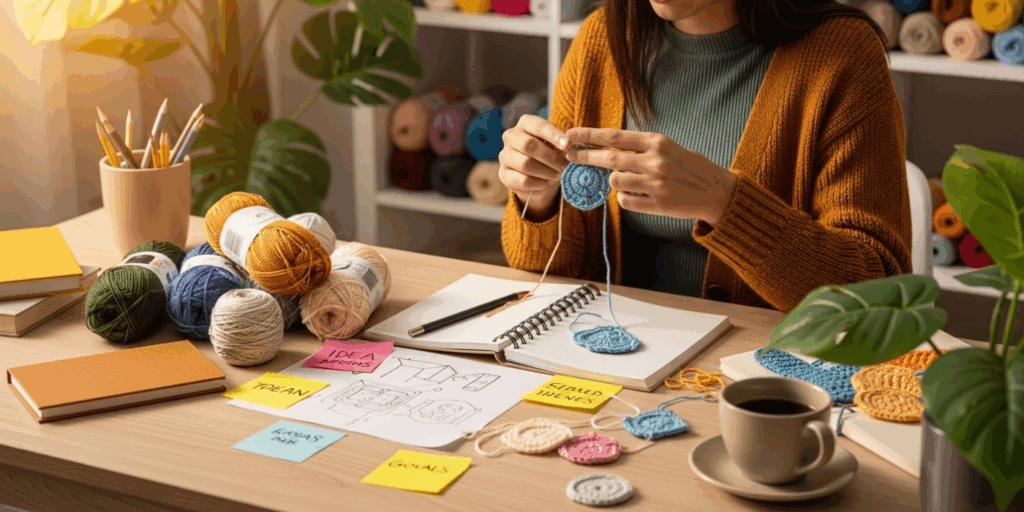
You don’t need to make a full sweater to fall in love with specialty yarn.
Start small.
Try a single mitt with metallic thread.
Make a coaster set using ribbon yarn in pastel shades.
Knit a tiny amigurumi animal with fluffy mohair.
These little projects let you test the waters without commitment. And when you finish? You’ll have something beautiful—and proof that you can do this.
I’ll never forget the first time I used a silk-and-wool blend for a simple headband. I didn’t even plan to wear it out. But when I did, a stranger stopped me on the street and said, “That’s the most beautiful thing I’ve ever seen.” I didn’t know how to respond. All I could say was, “Thank you. I made it.”
That moment changed how I saw my craft. It wasn’t just about making something. It was about making something felt.
Specialty yarns invite you to slow down, to notice texture, to embrace imperfection, and to create with intention.
So go ahead. Pick up that skein that makes your heart skip. The one with the shimmer. The one that feels like velvet and wind. The one that’s a little expensive, a little unusual, and absolutely perfect.
Your hands are ready.
Your soul is waiting.
Final Thoughts: Your Next Project Is Calling
We’ve talked about texture, sustainability, mindfulness, and community. We’ve covered how to choose, how to handle, and where to find the most magical fibers out there.
But here’s the quiet truth: specialty yarns aren’t about being “better” than regular yarn. They’re about being different. And sometimes, difference is exactly what we need.
In a world that rushes us from task to task, from screen to screen, knitting with a fluffy, sparkly, hand-dyed yarn is a quiet rebellion. It’s saying: I choose slowness. I choose beauty. I choose to make something with love.
So whether you’re picking up needles for the first time or adding a new yarn to your stash after 20 years, remember this: every stitch you make carries your energy. And that’s powerful.
Your next project doesn’t have to be perfect. It just has to be yours.
What’s the first specialty yarn you’re going to try?
Drop a comment below—tell us the name, the color, and why it called to you. And if this guide helped you feel more confident, please share it with a friend who loves to create. Let’s keep the magic alive, one stitch at a time.

Maria Santos is a dedicated crochet and knitting enthusiast who finds joy in turning simple strands of yarn into meaningful, handmade art. With a natural eye for detail and a deep love for fiber crafts, she brings warmth, creativity, and years of personal experience to every project. Maria is inspired by the stories woven into each stitch and loves sharing that passion with others.