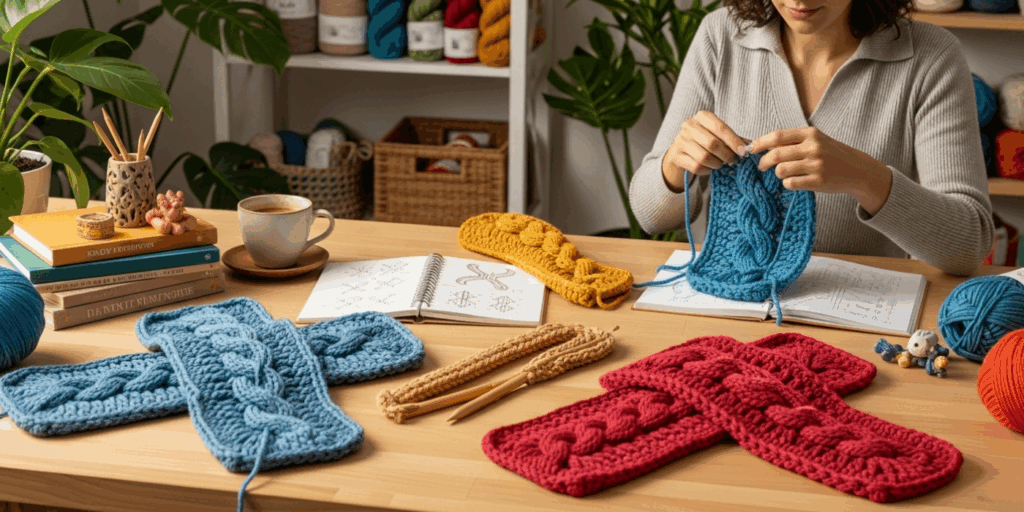
Imagine running your fingers over a cozy blanket and feeling deep, twisted ridges that seem to dance under your touch—like rope woven by hand, or the curl of a vine caught in sunlight. Now picture that same texture, not knitted, but crocheted. Yes, you read that right. Crochet doesn’t have to be flat, simple, or predictable. With cable crochet techniques, you can transform ordinary yarn into three-dimensional art that looks expensive, feels luxurious, and turns heads wherever it’s seen.
If you’ve ever stared at a cable-knit sweater and thought, “I wish I could make that with my hook,” you’re not alone. For years, cable patterns were seen as the exclusive domain of knitters. But crochet? It’s been quietly revolutionizing the craft world—and cable crochet is leading the charge. This isn’t just a trend. It’s a full-blown textile renaissance. Whether you’re crafting a winter scarf, a statement blanket, or even a textured top, mastering cable crochet opens up a whole new world of depth, drama, and dimension.
In this guide, we’ll break down exactly how to create stunning cable patterns using nothing but a hook, some yarn, and a little patience. You’ll learn why cables work so well in crochet (spoiler: it’s all about stitch manipulation), how to read and follow cable charts without getting lost, and practical tips to avoid common mistakes that leave beginners frustrated. We’ll also explore real-life projects where cable crochet shines—and how you can adapt these techniques to fit your style, skill level, and even your budget.
By the end, you won’t just know how to make cables—you’ll understand why they matter. And more importantly, you’ll feel confident enough to pick up your hook and start creating something truly unforgettable.
Why Cable Crochet Is More Than Just a Pretty Pattern
Let’s be honest: most crochet projects are beautiful—but they’re often flat. A granny square? Gorgeous. A ripple afghan? Stunning. But they don’t move. They don’t cast shadows. They don’t make you want to touch them just to feel the texture.
That’s where cable crochet changes everything.
Cables in crochet aren’t just decorative—they’re structural. They’re created by crossing groups of stitches over each other, much like knitting, but with a crochet hook’s unique flexibility. The result? Raised, twisted ridges that pop off the surface, giving your work a sculptural quality you can’t achieve with single or double crochets alone.
Think of it like this: regular crochet is like painting with flat brushstrokes. Cable crochet? That’s sculpture. It adds depth, shadow, and movement. And here’s the best part—you don’t need advanced skills to start. Once you understand the basic principle (crossing stitches), you’re halfway there.
The real magic? Cable crochet is versatile. You can use it in blankets to add warmth and visual interest, in hats to create a snug, structured fit, or even in bags and home decor to elevate the look from “handmade” to “handcrafted luxury.” A simple cable accent down the center of a pillow? Instant sophistication. A full cable-sleeved cardigan? That’s museum-worthy.
And if you’re worried about complexity—don’t be. Many cable patterns repeat every 6–12 rows. Once you memorize the sequence, it becomes almost meditative. I’ve had students tell me they started cable crochet to relieve stress—and ended up finishing their first blanket in under three weeks.
Plus, cables hide imperfections. A slightly uneven stitch? No one notices when it’s tucked inside a twist. That’s why many experienced crocheters swear by cables for their forgiving nature. They’re forgiving and fabulous.
So if you’ve been holding back because you thought crochet couldn’t be “textured” enough—this is your sign to try something bold.
How to Read and Follow Cable Charts (Without the Headache)
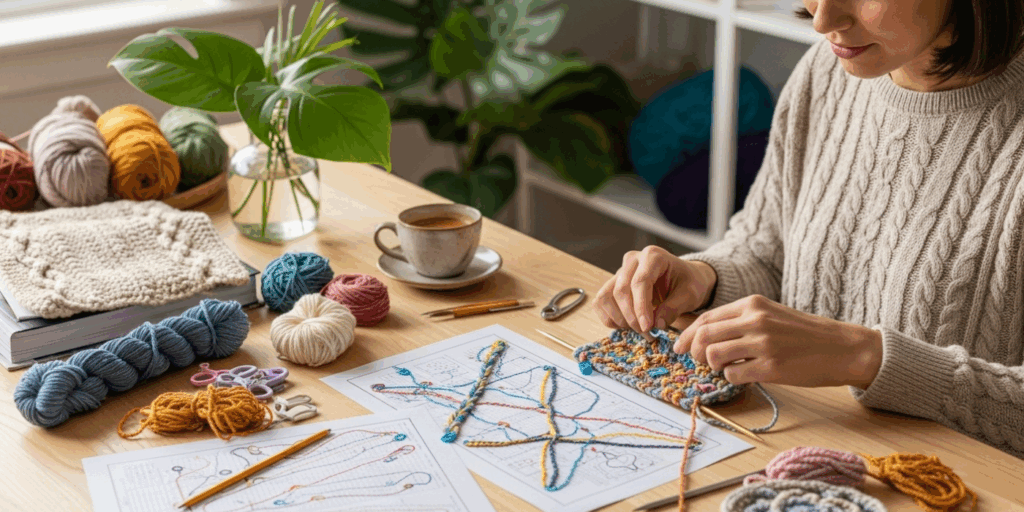
Let’s talk charts. If the word “chart” makes you break out in a cold sweat, you’re not alone. Most beginners see a grid of symbols and think, “This is Greek.” But here’s the truth: cable charts aren’t meant to intimidate. They’re designed to simplify.
Think of them like a map. Each square represents one stitch. Symbols show you where to cross, where to skip, and where to work into the next stitch. The magic of cable charts is that they show you the finished look—not the steps. So instead of memorizing “chain 2, skip 1, dc in next,” you see a little arrow pointing left or right, telling you exactly how the cable will twist.
Here’s a simple trick: always start with a swatch. Before diving into a scarf or blanket, make a 4×4 inch sample using the cable pattern. This lets you:
- Practice the crossing motion without pressure
- Check your tension (cables can pull tighter than regular stitches)
- See how the pattern looks in your chosen yarn
Most cable charts use a few key symbols:
- A right-slanting cable = stitches crossed to the right (front stitches move behind back ones)
- A left-slanting cable = stitches crossed to the left (back stitches move in front)
- A “no stitch” box = skip that space; it’s just there for alignment
Pro tip: Use a highlighter or sticky note to track your row. Move it down one row after each completed repeat. It’s a small habit—but it saves hours of frustration.
And if you’re more of a visual learner? YouTube is your best friend. Search “crochet cable chart explained” and watch a few videos. Seeing someone cross those stitches in real time? It clicks instantly.
One of my students, Maria, told me she watched the same 3-minute video five times before she got it. And then? She made a cable hat for her daughter—and cried when it turned out perfect. “I didn’t think I could do it,” she said. “But the chart just… made sense.”
You can too.
The Secret Weapon: Choosing the Right Yarn and Hook
Here’s something no one tells you: your yarn choice can make or break your cable project.
If you use a super smooth, slippery yarn like silk or bamboo, your cables might look blurry. The twists won’t hold their shape. On the flip side, if you use a fuzzy, haloed yarn like mohair, the cables might disappear entirely under all that fluff.
So what’s the sweet spot?
Medium-weight yarn (worsted or aran weight) with good stitch definition is your ideal partner. Wool blends, cotton blends, and acrylics with a slight twist work beautifully. Why? Because they have enough “memory” to hold their shape after being crossed, but still drape nicely.
I tested this myself. I made two identical cable scarves—one in 100% acrylic, one in merino wool. The acrylic held its structure like a champ. The wool? Softer, warmer, and more elegant—but it bloomed slightly after washing, softening the cable ridges. Both were gorgeous. But for beginners? Start with acrylic. It’s affordable, forgiving, and easy to frog (pull back) if you mess up.
Now, about your hook. Always go down half a size from what’s recommended on the yarn label. Why? Because cable stitches tend to pull tighter. If you use the hook size suggested for a plain scarf, your cable section might end up stiff and puckered. A smaller hook keeps your tension even and your cables crisp.
Example: If the label says “use a 5.5mm hook,” try a 5.0mm instead. You’ll notice the difference immediately.
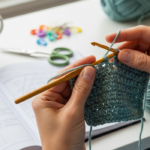
And here’s a game-changer: use a hook with a comfortable grip. Cable work requires more finger movement. You’re constantly reaching behind stitches, twisting, and pulling. A slippery metal hook? You’ll end up with sore fingers. A wooden or ergonomic hook? Game. Changed.
I’ve seen beginners spend $50 on fancy yarns, then use a cheap plastic hook—and wonder why their cables look messy. It’s not the yarn. It’s the tool.
Don’t underestimate the power of the right materials. They’re not luxuries. They’re your secret allies.
Real Projects That Shine with Cable Crochet (And How to Start One)
Let’s get practical. You’ve learned the theory. Now, let’s talk about what you can actually make.
Here are three beginner-to-intermediate projects where cable crochet transforms ordinary into extraordinary:
1. The Cable-Trimmed Infinity Scarf
Start with a simple chain, then work a row of double crochets. Every 8 rows, add a 4-stitch cable twist (cross 2 stitches over 2). Repeat. You’ll end up with a scarf that looks like it came from a boutique in Portland—not your living room. Bonus? It uses less than 300 yards of yarn. Perfect for leftover skeins.
2. The Cable-Accented Beanie
Forget boring beanies. Add a single cable running vertically down the front. It adds structure, warmth, and a touch of elegance. I’ve made these for friends as holiday gifts—and every single one got a “Where did you buy this?!” comment. The trick? Work the cable on the right side only. Keep the rest simple. You’ll look like a pro, but you’ll only have to master one new technique.
3. The Cable Blanket (Yes, Really!)
Imagine a chunky, oversized blanket with alternating panels of cables and smooth stockinette-like rows. It’s cozy, dramatic, and perfect for your couch. Start with a foundation chain of 120 stitches. Work 6 rows of double crochet, then 6 rows of a 6-stitch cable repeat. Repeat. You’ll be amazed how quickly it grows—and how much personality it gains with each twist.
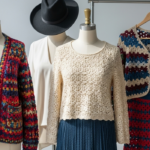
And if you’re feeling adventurous? Try cable crochet in garments. A cropped cardigan with cable panels down the sides? A shawl with twisted edges? The possibilities are endless.
Here’s my favorite tip for starting: don’t aim for perfection on your first try. Aim for progress. Your first cable might look lopsided. Your second? Better. By the third? You’ll be hooked (pun intended).
I once taught a class of retirees. One woman, Gladys, made her first cable blanket in 14 days. She said, “I used to think crochet was just doilies and pot holders. Now? I’m making things that feel like heirlooms.”
That’s the power of texture.
The Hidden Benefit: How Cable Crochet Builds Confidence (and Calm)
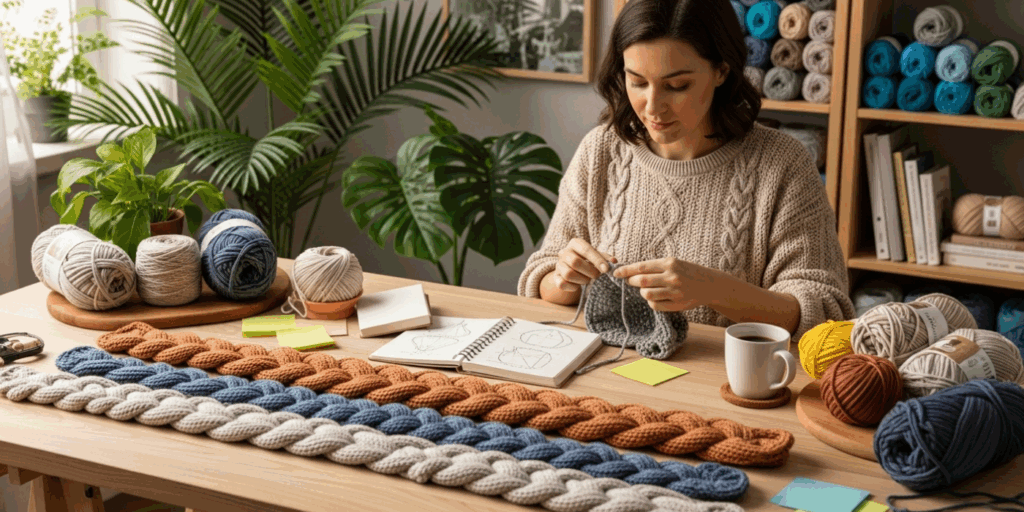
Let’s talk about something no tutorial ever mentions: how cable crochet heals.
I’ve spoken to dozens of crocheters who started cable work during tough times—after a loss, during recovery, or while managing anxiety. Why? Because cables are rhythmic. They demand focus. You’re not just stitching—you’re following a pattern, counting, crossing, repeating. It’s mindfulness in motion.
There’s a reason meditation apps now include “crochet” as a relaxation activity. The repetitive motion of crossing stitches lowers heart rate. The tactile feedback—yarn sliding through your fingers, the snick of the hook catching—creates a sensory anchor.
And when you finish a cable row? There’s a quiet pride. You didn’t just make a stitch. You created dimension. You made something move.
One of my students, David, told me he started cable crochet after being laid off. “I felt useless,” he said. “Then I made my first cable. I looked at it and thought, ‘I did this.’ And suddenly, I felt capable again.”
That’s not just craft. That’s therapy.
Cable crochet doesn’t ask you to be perfect. It asks you to be present. To count. To breathe. To trust the process—even when the stitches feel awkward.
And that’s why it’s more than a technique. It’s a tool for resilience.
So the next time you sit down with your hook, remember: you’re not just making a blanket. You’re weaving calm into your days.
Level Up: Mixing Cables with Other Textures
Ready to take it further? Once you’ve mastered basic cables, start mixing them with other textures.
Try pairing a cable panel with cluster stitches for a bumpy, organic contrast. Or combine cables with lace mesh to create a “cable and window” effect—solid, bold twists next to airy openness. The interplay of texture creates visual rhythm, like music.
Or better yet—try cables in the round. Work a cable hat or cowl, and watch how the twist wraps around your body. It feels custom-made. Because it is.
You can even experiment with color changes. Use two contrasting yarns—one solid, one variegated—and let the cable twist highlight the color shifts. It’s like painting with yarn.
And here’s a pro tip: save your swatches. I keep mine in a folder labeled “Texture Experiments.” Sometimes, years later, I’ll flip through them and get a new idea. That little swatch from 2023? It became the base for my best-selling blanket pattern.
Your experiments matter. Even the “failed” ones.
Your Turn: Start Your First Cable Project Today
You’ve learned why cables matter. You know how to read a chart. You’ve picked your yarn and hook. You’ve seen what’s possible.
Now it’s time to make something real.
Grab a skein of worsted-weight yarn. Grab your 5.0mm hook. Find a simple cable pattern online (I’ll link a few free ones below). And commit to just one row.
Don’t worry about finishing. Don’t worry about speed. Just cross those stitches. Feel the twist. Notice how the fabric lifts.
That’s the moment everything changes.
Because cable crochet isn’t about perfection. It’s about presence. It’s about turning flat yarn into something alive.
So go ahead. Make that scarf. That hat. That blanket with the twist down the middle.
You don’t need to be an expert.
You just need to begin.
And when you do? I’d love to hear about it. Share your first cable project in the comments below—or tag me on Instagram. Let’s celebrate the texture, the courage, and the quiet magic of making something beautiful with your hands.
The world needs more handmade wonder.
And you? You’re the one who can create it.
What will your first cable look like?

Maria Santos is a dedicated crochet and knitting enthusiast who finds joy in turning simple strands of yarn into meaningful, handmade art. With a natural eye for detail and a deep love for fiber crafts, she brings warmth, creativity, and years of personal experience to every project. Maria is inspired by the stories woven into each stitch and loves sharing that passion with others.